0
0
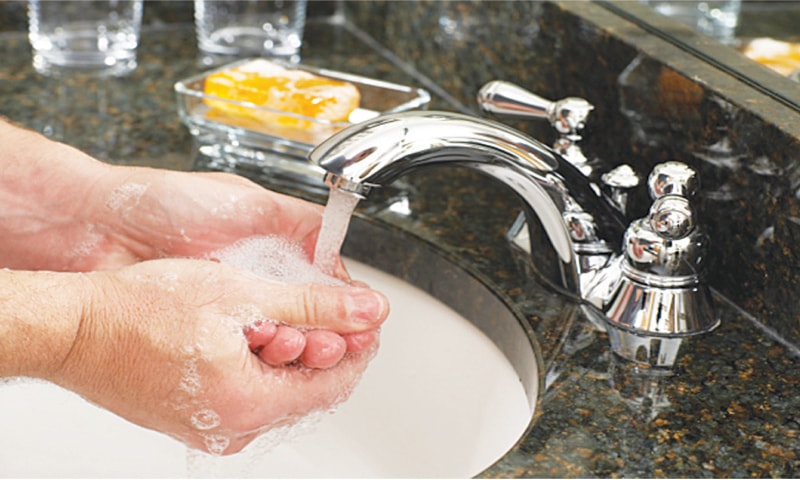

“Cleanliness is half of faith” is a sentence most of us have grown up listening to and reading. Good hygiene is undoubtedly one of the pillars of good health and clean hands are an integral part of it. Regularly washing hands can help avoid many gastric ailments and prevent the spread of communicable diseases.
Today we are bombarded with advertisements for all kinds of anti-bacterial soaps and liquids claiming to be effective in preventing stomach bugs, flu, skin infections and making our kids and ourselves “germ free”. From advice about washing hands for a full minute and some boasting of being effective in only a few seconds to suggesting to kids that they must wash their hands every time before touching their young siblings, these ads have created a sort of hype or paranoia around the simple task or keeping one’s hands clean. So have these soaps become essential for staying healthy? The answer might not be as simple and straight forward.
Anti-bacterial soaps and liquids contain different chemicals that give to them their bactericidal properties and although they do kill germs, their ads have created many myths and half truths in the minds of the common people, which can lead them to excessive use of these products causing more harm than good. A few months back, a 12-year-old visited my clinic with his mother. He showed me his hands which were very dry with fine cracks. On running my hands over his, the skin felt as rough like sandpaper. The boy’s mother told me that he had painful cracks in both hands and the condition had become so bad that he could no longer even write properly. On further questioning his mother told me that her son was very particular about his hygiene and had recently started washing his hands with an anti-bacterial soap regularly, about 10-15 times every day after recovering from a bout of gastroenteritis.
His hands became dry and a bit itchy, which he thought was due to some infection. So he started washing his hands even more frequently, which only made the dryness worse. I prescribed him some medicines along with the advice to use a neutral pH glycerin based soap and avoid washing his hands excessively. He followed up after 20 days and his hands were almost back to normal. This case is not an isolated incident, we often see patients who wash their hands into a similar state, falling prey to the incessant ad campaigns. Let me share some facts about these products, their efficacy, necessity and effects:
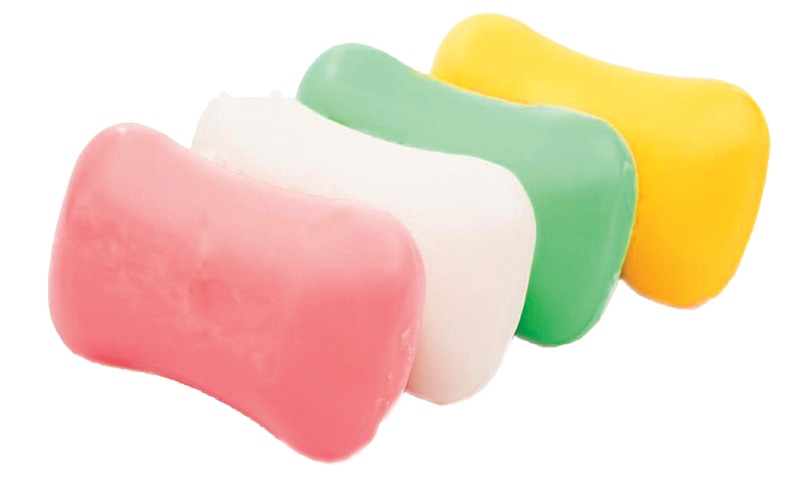 |
Not the only option: Regardless of what these companies might claim, anti-bacterial soaps are not the only line of defence in preventing infections. Washing your hands properly with even normal soaps can protect you from dirt, bacteria and other pathogens. According to the US Food and Drug Administration, there currently is no evidence that over-the-counter (OTC) antibacterial soap products are any more effective at preventing illness than washing with plain soap and water.
All bacteria are not bad: There are approximately one trillion bacteria on the surface of the skin of a normal adult human, termed as skin flora. They usually have a commensal or mutualistic relationship with their human host. They can cause infection only in immune-compromised individuals or those with deficient skin barrier function.
Not all infections are bacterial: Bacteria are not the only organisms responsible for human illness. Viruses are responsible for many ailments including the common cold or flu and various stomach problems. Fungi and parasites too can cause diseases, thereby rendering the antibacterial products unnecessary in many cases.
Too much of a good thing: Hand washing, although necessary and beneficial, can result in unwanted side effects if done excessively and / or with abrasive soaps. Excessive washing can take away the lipids that are present in between the cells of the top most layer of the skin, leading to dryness and cracking. This allows entry of foreign materials e.g. dirt, bacteria, fungi, etc. into the deeper layers of the skin causing itching, irritation and infection.
Some active ingredients may even be harmful: The active ingredients of some of these anti-bacterial soaps may even cause harm upon excessive exposure. Scientists are now keenly exploring the role of these chemicals in hormonal disturbances, antibiotic resistance and endocrine abnormalities.
In summary, while anti-bacterial soaps and liquids can be very useful in a hospital setting for preventing spread of infection, their benefits may not be all that significant to the normal home consumer. Using these products has not been shown to have a clear advantage over normal soaps. In addition, their usage in already excessively dry or damaged skin might worsen the problem. So, the next time you are worried about not having
an anti-bacterial soap to wash your hands with, rest assured that even a normal soap will suffice as a suitable alternative.
Published in Dawn, Sunday Magazine June 21st, 2015
On a mobile phone? Get the Dawn Mobile App: Apple Store | Google Play