1
1


The session titled “No permanent friends or enemies” on the opening day of the LLF-2015 revolved around the US engagement with the South Asian region and its disengagement plan for Afghanistan.
Moderator Lyse Doucet, Canadian journalist and BBC’s chief international correspondent, recollected the diminishing US interest when she interviewed a US undersecretary in the wake of the Soviet withdrawal from Afghanistan in 1989. She said “AfPak policy should be PakAf now”.
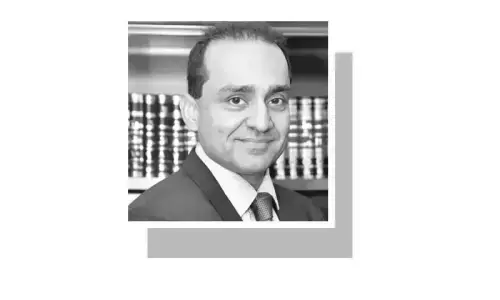
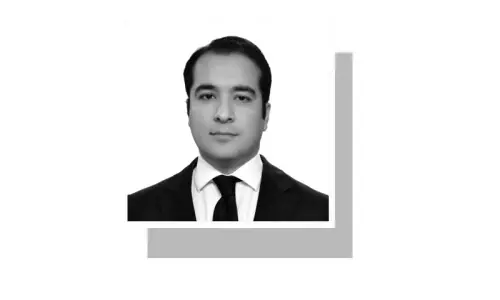
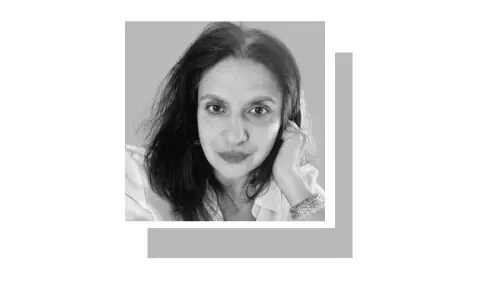
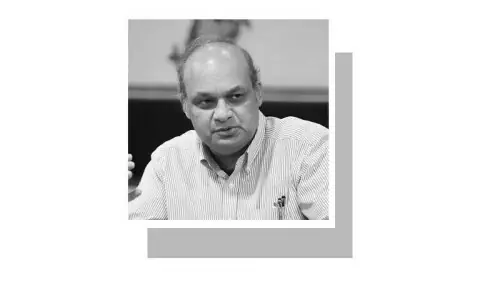
Panellists included Andrew Small, Laila Bokhari, Roger Cohen, Rashed Rahman and Salil Tripathi.
Rashed Rahman, a Pakistan newspaper editor, opened the discussion, saying the US feels the ‘luxury’ of no more interest in the region. He said Pakistan suffered a lot because of the fault lines in the US foreign policy. He said the policy of ‘no permanent friends or enemies’ dated back to the emergence of concept of nation states in the 17th century.
Andrew Small, a policy researcher at the German Marshal Fund of the United States in Washington, said although China had been a ‘time-tested’ friend of Pakistan, there had always been some irritants.
Mr Small, whose book ‘The China-Pakistan Axis’ is going to be launched in an upcoming session at the Lahore Literary Festival, said Beijing was worried by the rising threat of Islamic militancy in the western part of Xinjiang.
Picking up the thread, Laila Bokhari, researcher with the Norwegian Institute of International Affairs, said: “Europe is concerned as to why Pakistan is not putting its house in order. Although Norway is supporting democracy and one of the sponsors of this festival, frustration exists in Europe about the uncertainty in this part of the region.”
She said the US policy shift had taken place and Washington was interested in the Middle East because of the Islamic State (IS) factor.
Roger Cohen, journalist, author and columnist for The New York Times and International Herald Tribune, said Washington had been in ‘contractual relationship’ with Pakistan.
Salil Tripathi, a London-based writer, provided ‘comic relief’ to the audience when he spoke of Narendra Modi’s demeanour while interacting with President Barack Obama.
He likened Modi’s disposition with a schoolboy, showing off his pinstriped jacket.
Tripathi, who was born in Bombay, said the future of US-India nuclear pact was not bright if Washington did not satisfy New Delhi over insurance mechanism for installations.
During a show of hands towards the end, members from the audience thinking ‘America as part of the problem’ outnumbered those who were against the US withdrawal from the region.
Published in Dawn February 21th , 2015
On a mobile phone? Get the Dawn Mobile App: Apple Store | Google Play