When I visited the shrine of Jhulay Lal, a famous Sufi saint, whom both Hindus and Muslims revere equally, I was stunned to see a Hindu temple and a Muslim shrine-like building built on the same premises.
How was it possible that people hailing from two diametrically opposite creeds came and prayed in the same building? And, no communal feud ensued?
But that is Sindh; a timeless land with a history of religious tolerance, nurtured by the poetry and teachings of its Sufi saints and mystics.
Whenever I stepped outside of Sindh, I proudly claimed that I hail from a region where diverse religious and ethnic groups coexist largely in peace (at least if compared to other areas of Pakistan).
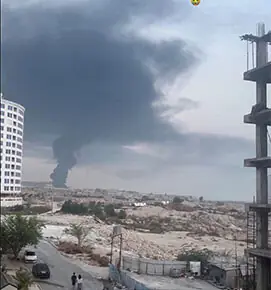
That was the state of affairs until the evening of January 30th; when one big, dark cloud passed over this peaceful land and bathed it in showers of blood.
Also read: Can Sufism save Sindh?
The recent heartbreaking incident of a bomb blast at an Imambargah at Shikarpur has triggered a wave of fear and terror across Sindh. The nation was still reeling from the Peshawar attack when this news shook it to the core. After every such incident, the government starts harping about security measures; politicians condemn and statesmen send condolences; but there has not been any concrete effort to attack the demon of terrorism at the grassroots level, where it keeps flourishing.
Erstwhile, it was believed that Sindh, a stronghold of religious harmony, was outside the reach of extremist groups. But now, it seems, the tide is turning.
After spreading its roots to the heart of Punjab, the wave of religious militancy has started to reach out to the mainland of Sindh.
The writing was on the walls, literally.
The unchecked proliferation of madrassahs and the hateful graffiti against other schools of thought had been predicting this turn of events since long. Although, the media and civil society have been trying to direct government’s attention to these elements, there were no measures taken to counteract the extremist forces.
Now, the outcome of these clandestine and often public activities has been unveiled in the most horrific manner. I have heard people talking about taking the ‘Alams’ off their roofs. Terrified mothers ask each other whether they should send their children to schools and mosques.
Explore: Legal and moral abyss
The establishment of military courts or the lifting of the death penalty moratorium will not eradicate extremist mindsets from our society. Extremism is more than a group of people, more than banned outfit or religious organisations; it has far deeper underpinnings, it is festering at every level – in state organisations, important institutes and among the members of civil, as well as military establishments.
Until the government starts an effective campaign to check this mindset and start a cleanup mission, it will keep haunting the future generations to come.
To those orchestrating this bloodshed, I quote this verse from a Sindhi kaafi:
Agar tunhijo hi mazahab aa, ta maan Shaitan jay paasy
If this (bloodshed) is your religion, then I am better off being with the devil.