0
0


ISLAMABAD: It seems that one of the primary mainstream parties that represent the Shia school of thought is still confused about its stance on the 21st amendment and the establishment of military courts and continues to support both proponents and opponents of the move.
In recent meetings, the leadership of Shia Ulema Council (SUC) has sided with opponents of the new anti-terrorism laws who are opposed to the establishment of military courts and even some parts of the National Action Plan (NAP).
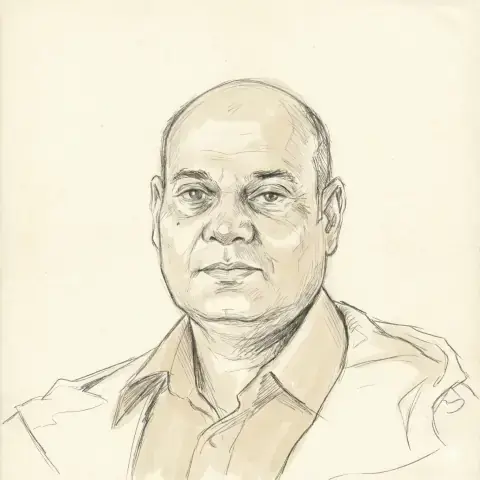
Led by Allama Sajid Naqvi, SUC is the latest incarnation of the banned Tehreek-i-Jafaria Pakistan (TJP) that was banned on Jan 14, 2002, the same day as the Sipah-i-Sahaba Pakistan (SSP) was declared proscribed. TJP then converted into the Islami Tehreek Pakistan, which was also banned in November 2003. Subsequently it renamed itself the SUC in 2004.
The last such moot called to discuss anti-terror laws was a special meeting convened by Maulana Fazlur Rehman, chief of his own faction of the Jamiat Ulema-i-Islam, on Jan 5.
At the meeting, Maulana Fazlur Rehman was flanked by SUC Central Secretary General Allama Arif Hussain Wahidi, who had nodded in agreement as the cleric spoke to the media.
Even though all the original members of the erstwhile electoral alliance known as the Muttahida Majlis-i-Amal (MMA) were invited to the meeting, only the madressah board representing Deobandi seminaries attended the meeting.
Despite Allama Sajid Naqvi’s earlier support for the law, SUC maintains the move will hurt them
Maulana Fazlur Rehman announced after the meeting that parties of the former MMA opposed the 21st constitutional amendment and the proposed crackdown against madressahs that were allegedly involved in terrorist activities.
“This action targets one sect,” he had said, without naming a particular group, but it was clear he meant the Deobandi sect. This was confirmed by members of the Wafaqul Madaris al Arbia – the board representing Deobandi seminaries across the country.
However, Allama Wahidi said on Tuesday that his party completely supported the 21st amendment and termed it “an essential step under the current circumstances”.
“It has always been our demand that only strict government actions can stem the tide of terrorism in the country,” the SUC leader said, adding, “We also feel that the establishment of military courts is the need of the hour”.
The SUC has recently supported groups including the JUI-F and Jamaat-i-Islami at the Milli Yekjehti Council meeting, as well as other forums and denounced the use of the words ‘religious terrorism and sectarian terrorism’ in the 21st amendment.
On the other hand, SUC leader Allama Sajid Naqvi was among the first leaders of a religo-political party to state that, “There has never been, nor is there any tension between Shias and Sunnis in Pakistan... what we have is religious terrorism; sectarian terrorists are targeting people”.
However, the party currently opposes this stance in the new law and said that all terrorists are terrorists.
Acknowledging the earlier statements of Allama Sajid Naqvi, SUC spokesman Zahid Ali Akhunzada said that the government should not brand terrorists as religious or sectarian.
“Only Shias are not being killed; people on the streets, army personnel, children, everybody is being targeted. We are at the forefront but this does not mean that the government should start discriminating between terrorists,” Mr Akhunzada said.
He said his party was opposed to the action planned against madressahs because it would also hurt them as well.
“We are beginning to lose faith in the system – we were banned only because the government wanted to balance the banning of Sipah-i-Sahaba – this time too they will implicate our seminaries only to balance action taken against other schools of thought,” he added.
Published in Dawn January 14th , 2015
On a mobile phone? Get the Dawn Mobile App: Apple Store | Google Play