ISLAMABAD: Women representation in the parliament has increased over the years, but this has not necessarily led to greater diversity or empowerment as most have their campaigns run by the men of their families.
Majority of the woman members of the national and provincial assemblies come from political families.
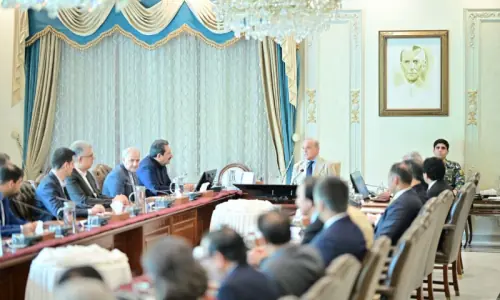
These were some of the key findings and recommendations made by the study report ‘Women’s Political Participation and Leadership for Effective Democratic Government’, which was conducted by Women’s Initiative for Learning and Leadership, an NGO. The report’s launch was held at a local hotel this Wednesday.
Former Member of National Assembly (MNA) Shahnaz Wazir Ali said despite a consensus by several political parties that 10 per cent of general seat tickets for the National Assembly be given to women, this has yet to be implemented.
“At the moment 17 per cent of national and provincial assembly members are women, but their seats need to be increased. No woman is a full minister in cabinet, however there are two state ministers,” she said.
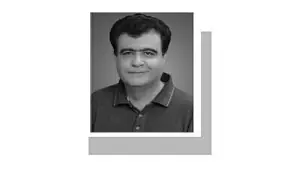
Pakistan Tehreek-i-Insaf (PTI) MNA Shafqat Mehmood said despite having elected a woman prime minister, such trends do not reflect in Pakistani society.
“It is difficult to award tickets for seats in the National Assembly to women, but the trend is changing since people have started voting for parties rather than personalities,” he said.
“PTI held intra-party elections and the women who were elected were allowed to contest elections,” he added.
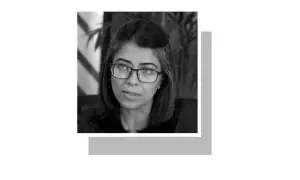
Pakistan Muslim League-Nawaz (PML-N) MNA Maryam Aurangzeb said there was a ‘mind-set’ problem.
She said women play a better role in parliamentary committees than men, and that the situation would improve.
Senior Vice President of the Awami National Party (ANP) Bushra Gohar criticised the report and said it was based on faulty assumptions that women were less knowledgeable than men.
“During the former government’s tenure, Speaker National Assembly was a woman and there were women in important parliamentary committees. Now we have returned to a low point and women have a smaller role in government,” she added.
Ajmal Wazir of PML-Q said during the PML-Q government women were encouraged to participate in politics.
Jamiat Ulema-i-Islam (F) (JUI-F) representative Jan Achakzai praised the recommendations made by the report, but said studies were done for western interests.
Human rights activist Farzana Bari said there was approximately 20 per cent representation of women in parliaments around the world.
“Even in western countries women are not encouraged to participate in politics since men dominate the field,” she said.
Published in Dawn, May 15th, 2014