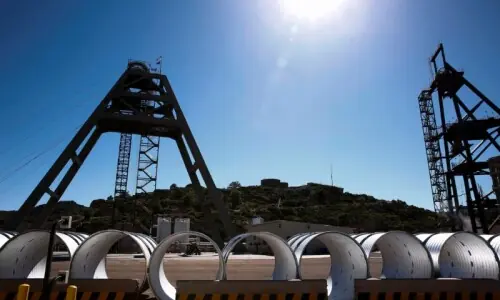
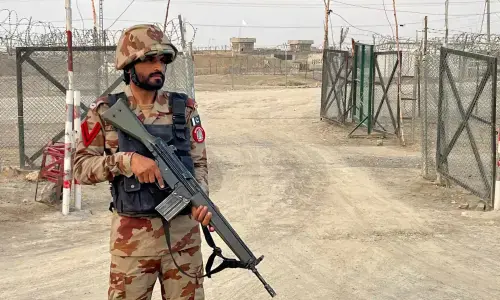
IT was once talked up as potential low-hanging fruit — diplomatic speak for a goal that is relatively easily achievable. In reality, Siachen has proved to be anything but. The latest indication has come in the shape of an anonymous rebuttal to the Indian media by the Indian army regarding the suggestion by Sartaj Aziz that troops should be withdrawn from Siachen because of the environmental dangers to the critical glacier. Mr Aziz’s words were reported in an India-specific context — that Pakistan’s water supplies are threatened by the environmental damage the Indian troop presence on Siachen is causing — but it is a long-standing position of the Pakistani state that both countries’ troops should be pulled back and Siachen be returned to its no-man’s land status. But the Indian army has quickly expressed its disapproval of the idea, reinforcing the new status quo on Siachen discussions: Pakistan proposes; India opposes.
The Indian army’s stubbornness on Siachen is rooted in the narrowness of military thinking: the Indian side has a military advantage in Siachen; the beefing up of military infrastructure and supply routes has reduced the risk of succumbing to the extreme cold and inhospitable terrain; occupying Siachen serves as a badge of honour in the macho military culture; and, thanks to the utter foolishness of Pervez Musharraf, the Kargil disaster has given the Indian military enough ammunition to shoot down talk of building trust and abiding by joint agreements on Siachen. Understanding that logic, however, does not equal to automatically accepting it. What the Musharraf disaster did can be undone through a verification mechanism that ensures neither side creeps back into Siachen once troops withdraw. But then the Indian army’s insistence that the present positions of both sides on Siachen be marked becomes a red flag to Pakistan because it lays down a marker in a disputed region. The solution, as ever, remains well known: political will from both sides to wrest control from their respective security establishments. That is surely doable in this specific area on this specific matter.