0
0

ISLAMAAD, April 22: The World Food Programme (WFP) of the United Nations has said that rising food prices are affecting its performance in Pakistan and other countries of Asia.
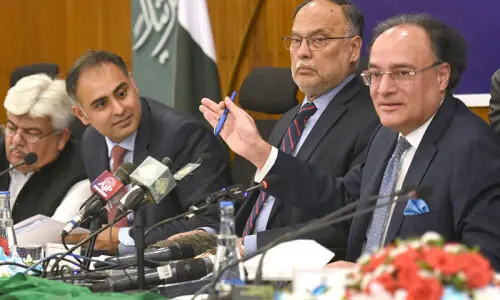
Addressing a press conference, WFP’s regional director for Asia Anthony Bandury said that spiralling prices of food items were threatening the food security for hundreds of millions of the poorest people around the globe, and in Asia.
“I have come to Pakistan to see firsthand the effects of this crisis in a country that is critical to our global efforts to meet this challenge.” Mr Bandury held meetings with representatives of the UN country team and donor governments to determine how the WFP could assist the government of Pakistan in responding to the needs of its poorest and hungriest people.
In addition to increased needs in Pakistan, WFP is especially concerned for more than 100 million people in all continents at risk of not being able to purchase enough food for themselves and their families. The agency feeds 28 million of the poorest people in 14 Asian countries.
“Rising food prices can pull more people into poverty and deepen food insecurity among already vulnerable groups,” Mr Bandury added.
Globally, WFP has appealed to donors for $755 million to address increased costs among already approved projects for 2008. Earlier, the WFP had estimated that there were proximately 60 million food insecure Pakistanis. Because of rising food prices, an additional 17 million people can now be considered food insecure which increases the number to 77 million people or nearly half population of Pakistan.
“We will need more than $23.3 million additional funding to take on the increased needs of the poorest Pakistanis because of the rising food price crisis,” the WFP regional director emphasised.
In Pakistan, the WFP assists approximately four million food insecure people annually. The WFP, the food aid arm of the United Nations, does not only save lives in emergencies, but also uses food as an incentive to attract the downtrodden to gain education and healthcare and work to build assets for a better future.