0
0

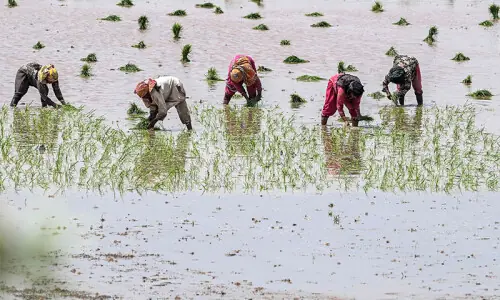
JHANG, April 29: Long hours of unscheduled loadshedding have forced paddy growers in the Jhang district to look for other options wherein less water is required.
One of the most feasible alternatives is reverting to the cotton sowing, which is also a Kharif cash crop, requiring only 20 per cent of the water needed for the paddy.
The paddy, a major Kharif cash crop of the district besides sugarcane and cotton, is cultivated on 45 per cent of the land.
The paddy not only provides huge financial returns to farmers, but the high quality rice grown here is also the front runner in the international market and earns a huge foreign exchange for the country.
The only problem with the crop is that it requires continuous watering, particularly during the first two months of this three- and-a-half-month crop.
Since there is an acute canal water shortage in the district, constant power supply to tubewells is vital for the planting, growing and maturing of the paddy crop.
The Fesco, Jhang, is carrying out eight hours of unscheduled loadshedding every day, which is discouraging the farmers even to think about growing rice.
Safdar Saleem Sial, a member of the board of directors of Pakistan Farmers Association and district agricultural advisory committee, has expressed concern over the power supply situation.
He said that with countries like India and Taiwan, having banned the export of their rice due to substantial decrease in their production, Pakistan stood a good opportunity of capturing the world market.
But he said that if the apprehension of Pakistani growers, regarding long hours of power shutdowns were not addressed before the sowing season, Pakistan might have to import rice for its domestic needs.