0
0

WASHINGTON: The Bush administration has caved to escalating North Korean demands that threatened a breakthrough nuclear disarmament accord, but there are signs that North Korea is still angling for a better deal.
Washington has also largely held its tongue as the North blew a deadline to begin shutting down a key nuclear reactor and seemed to drag its feet in response to US overtures on a banking investigation.
President George W. Bush said on Friday the delicate diplomacy has “hit a bump in the road” over the banking matter. Still, he defended the deal the US helped broker in February to trade economic and energy aid for a gradual standing down of the North’s nuclear capability.
Bush said world patience with the North is not infinite, but he set no new deadline.
“I think it’s wise to show the North Korean leader ... that there’s a better way forward,” he said. “I wouldn’t call that soft.”
The administration’s about-face on North Korea is an example of the growing strain of pragmatism and flexibility in foreign policy that has also produced new willingness to engage unpalatable regimes in Iran and Syria, and to change some tactics in the Iraq war.
It divided several elements of the administration, pitting hawks such as White House adviser Elliot Abrams against diplomats at the State Department, and leaving get-tough law enforcement chiefs at the Treasury Department feeling misused.
Several administration officials, who spoke on condition of anonymity to describe internal deliberations, acknowledged the rifts and said what was once an ideological difference of opinion became a bigger problem because of the mishandling of a complex financial investigation.
Bush had maintained that the investigation into a Macau-based bank suspected of doing Pyongyang’s dirty work was divorced from international efforts to get North Korea to trade away its nuclear capability.
The two issues were always linked for the North Koreans, who boycotted arms talks for more than a year after the Treasury Department blacklisted the bank in 2005.
The administration acknowledged as much last year, and won the North’s return to talks by agreeing to resolve the bank matter. Thereafter, each new red line that Washington tried to draw about what would happen to the bank and $25 million in frozen funds was erased in the face of North Korean intransigence.
The North Koreans said they had been promised one thing, but the US, along with banking authorities in China and Macau, said it was another.
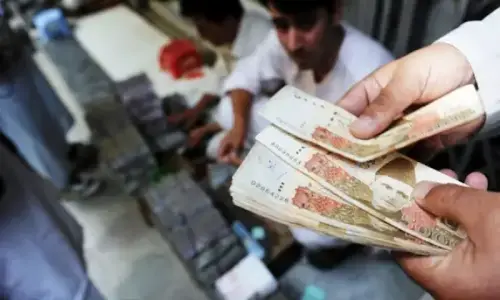
Bush personally decided to free the entire $25 million this month, in hopes of keeping the fragile nuclear deal on track.
North Korea, however, may want a clean bill of health for the bank along with US help improving its financial image. The North blew a mid-April deadline to begin shutting down its nuclear reactor despite the announced concession, and has dragged its feet in retrieving the money from the bank after US officials said it was available.Washington’s newly accommodating approach to the secretive regime it once accused of being part of an “axis of evil” is a gamble that relies on signals and assurances from an opaque communist nation that has reneged on or subverted previous agreements, critics said.
“Their style is to negotiate assiduously, sign the agreement and then negotiate again,” said former UN ambassador John Bolton, a Bush appointee. “That’s what they are doing here.”
The North has not expressly asked for additional sweeteners, but analysts and some US officials said the North sees the banking issue as proven leverage in the nuclear negotiations and does not consider the matter closed.
US officials said North Korea wants a ticket back into an international banking system that had shunned Pyongyang because of money-laundering allegations levied by the Treasury Department. Removing the black mark from the small bank that held the $25 million would be a start. Even better: US help in fanning that money into the global banking stream, without strings or stigma.
Bush acted on advice from Secretary of State Condoleezza Rice and Treasury Secretary Henry Paulson that the concession could salvage a pact to eventually rid North Korea of nuclear weapons.
Conservative critics in and out of the administration say Pyongyang is playing for time, or playing the United States for a fool.
“I don’t think there’s any prospect the North Koreans are ever going to comply with this agreement anyway, so I don’t think there’s any surprise,” said Bolton.
Japan, which is Washington’s closest ally on the difficult agenda with North Korea, is increasingly nervous.
The North Koreans “need to respond properly on these issues,” Japanese Prime Minister Shinzo Abe said on Friday during a meeting with Bush. “Otherwise we will have to take a tougher response on our side.”—AP