0
0

KATHMANDU, May 3: Nepal’s new interim government called a ceasefire in a decade-long conflict with Maoist rebels on Wednesday to signal it intends to quickly roll back 14-months of autocratic royal rule.
“We have decided to announce a ceasefire and remove the terrorist tag” from the Maoists, Deputy Premier K. P. Sharma Oli told reporters after a cabinet meeting.
The Maoists began their ‘people’s war’ in 1996 to overthrow the monarchy and establish a republic. At least 12,500 people have died since.
The Maoists last week declared a three-month ceasefire after King Gyanendra backed down following weeks of public protests in April against his absolute rule and recalled parliament for the first time since 2002.
The government and Maoists have had two previous joint ceasefires deals, the last in 2003, both of which lasted only a few months.
Constant battles between the rural-based Maoists and the security forces have resulted in a stalemate although King Gyanendra had vowed to crush the rebellion after he sacked the government in February 2005.
Analysts say the Maoists do not have the ability to take the government’s urban centres while the under-equipped army cannot defeat the rebels in their often mountainous rural strongholds.
But an alliance between political parties and their former Maoist foes, to tackle the king’s total rule, saw the two sides move closer than they have for years and the ceasefire cements their fortunes.
Earlier this year, the two sides formed an unlikely alliance to demand a new body to rewrite the constitution and drastically limit the monarch’s sweeping powers, which include control of the Royal Nepalese Army.
Oli said on Wednesday no limit had been set on the ceasefire.
“After the declaration of ceasefire, both sides will follow the basic rules of ceasefire,” he said without giving details.
The cabinet also began the process of reversing other decisions made by the royal government over 14 months of direct rule by annulling the results of controversial local polls held earlier this year.
The king had also clamped down on press freedom including occasionally snapping phone links and censoring news about the rebels who were labelled ‘terrorists’.
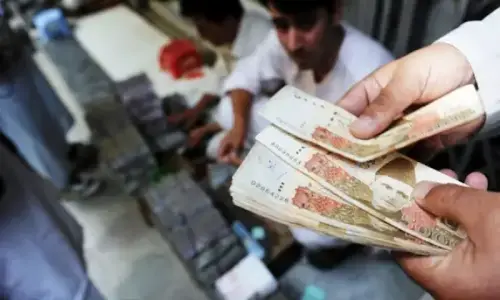
The cabinet also promised one million rupees (14,000 dollars) to the families of those killed in clashes with security forces during pro-democracy protests.
At least 17 people died during 19 days of often violent demonstrations in April.
An army official said shortly after the announcement they had not been informed but took their orders from the government.
“It’s up to higher authorities to tell us. We take orders from the ministry of defence,” said the official, on condition of anonymity.
The announcement came after Nepal’s rebel chief ruled out disarming his forces and launched a scathing attack on the nation’s new political leadership in comments seen on the organisation’s website.
Maoist leader Prachanda — whose name means the fierce one — said it would be ‘suicidal’ for his fighters to disarm after a decade-long insurgency while armed forces remained ready for action.
“If anybody is thinking of disarming the Maoists while keeping the ‘Royal’ army as it is, then they are having a suicidal dream,” the article said.
The Maoists, who control much of the countryside and are key to any lasting peace settlement in Nepal, want a democratic republic with no role for the monarchy.—AFP