0
0

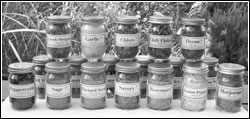 Use of medicinal herbs for livestock and human health disorders is a common practice in the rural areas of Pakistan due to its low cost.
During a survey in Astore district of the Northern Areas (NA), plants were identified based on their existing knowledge. The harvesting, marketing and processing practices adopted by the local people for the use of medicinal herbs were also analyzed.
The area lies at the junction of several mountain routes, providing ample and varied trekking opportunities. The summer pastures are home to a rich variety of flowering plants, many with medicinal properties. Heavy rainfall allows a more diverse flora than in other parts of the NA. The mountain slope below the snowline provides favourable conditions for medicinal plants.
The medicinal plant resources are fast depleting due to overexploitation and unsustainable practices. In Astore Valley, only two medicinal plant species are grown at the farmer’s field. The plant population is decreasing due to overexploitation, and the usage of roots which inhibits further propagation due to unawareness and illiteracy.
The main constraints faced by the area farmers in cultivation of medicinal plants on commercial scale were lack of identification of the plant species, unawareness to practice agronomic technologies, small land holdings, and non-existent marketing facilities.
Medicinal plant collectors were found resource-poor. The collection from mountains is mainly based on traditional knowledge of plant species. Farmers collect medicinal plants during spring and summer season (April to September) for their own use and have no commercial idea for selling these in the market. The bulk of collection is rhizomatous. Ecological conditions of the NA are suitable for cultivation for which research is needed.
Growing of medicinal plants has a primary relationship with the conservation of soil. The vulnerability of over-exploitation and extinction needs to be dealt pragmatically. The concerns and issues relating to conservation of these plants can be addressed through the participation of the government and the non-government organizations.
For long term conservation and management of medicinal plants, in-situ cultivation could be the best method for protecting the genetic resources. Network to integrate it into regular forestry and wildlife management is needed. An essential corollary to in-situ conservation plants will be regulating the harvest of medicinal plants from the wild to commercial purpose, particularly those species whose harvest inevitably involves destructive collection.
Effective efforts for the management of plants through critical examination are required. Forest department in collaboration with the IUCN and the WWF can play a vital role in this context.
Research on medicinal plants is needed for ex-situ purposes, which will be helpful in achieving the targets by cultivating rare species at suitable locations for which the following points seem in order:
Gene bank: A countrywide exercise should be conducted to preserve the seeds of wild medicinal plants with a first priority to known Rare, Endangered and Threatened (RET) and endemic species. This could be done with the collaboration of the gene bank at NARC.
A valuable ex-situ conservation measure would be creating ethno-medicinal plant gardens. Field trials should be carried out at farmers’ field to create awareness among the local people through agronomic practices such as intercropping, cultivation as trees on hilly terrain.
Knowledge about medicinal plants’ identification and production among the rural people should be disseminated; locals should be educated about the importance of medicinal plants to their socio-economic conditions and eco system; plant collectors should be encouraged and educated to increase their bargaining power. This will help increase their revenues from medicinal plants.
Women are suitable for products with which they are familiar and for which they possess skills. Primary processing of herbs and plants which women have collected is required and for which social, institutional and legal mechanisms should be looked into for improving the women’s access to and control over the resources.
The government should act as a facilitator at the local level to encourage conservation and sustainable utilization of resources through community participation. This can be done by providing soft/interest free loans, consultations and technical assistance to local people.
Promotion of conservation measures and sustainable utilization of such plants should be initiated. Rules should be framed which can make conservation, sustainable utilization and trade practices of medicinal plants, easy. Forest department does not allow the area people to export medicinal plants.
However, overexploitation is controlled but the farmers are discouraged from growing plants. The department should relax rules for exporting them, develop awareness among the people and introduce license system. There should be coordination and cooperation among the government departments, the NGOs and pharmaceutical firms. Synthetic pesticides but without adverse health effects can be produced from these plants.
The private sector is an important player for which industrial partners in the production of herbal-based products should be evolved. These should be cultivated on large-scale and a search for new markets, both nationally and internationally should be taken up.
Some NGO’s did attempt to cultivate medicinal plants but the motivation of farmers is more urgent. The NGOs should develop innovative approaches as income-generating programmes for the communities. Local community should be trained regarding methods of collection, drying, identification and sustainable harvesting.
Effort should be made to establish linkages with other institutions around the world to learn from their experiences; plans for collaboration and sharing of results with other organizations/countries will prove beneficial.