EVERY year, Pakistan observes health-associated days, weeks and events with programmes frequently linked to inter-national health campaigns, free health services, educational conferences, the introduction of stricter strategies for medication-related surveillance, and health awareness programmes.
But medication-related issues continue to show an upward trend in the country. According to a 2019 report by the World Health Organisation (WHO), drug-resistant diseases already account for at least 700,000 deaths annually worldwide. If nothing is done, the number may rise to 10 million deaths annually by 2050.
Antimicrobial resistance could push up to 24 million people into extreme poverty by 2030, making it one of the top 10 global public health problems. The purchase of medications accounts for over 77 per cent of healthcare spending in Pakistan, where the average number of pills per prescription is 4.4, which is the highest in the world.
Although healthcare and drug regula- tory bodies have tried to implement improved strategies for strict surveillance, the lay person’s ability to purchase medications without a prescription from a licensed healthcare provider is still causing serious worries. In Pakistan, purchasing nearly any kind of medication without a prescription is easy because more than 90pc of pharmacies and medical stores lack qualified pharmacists.
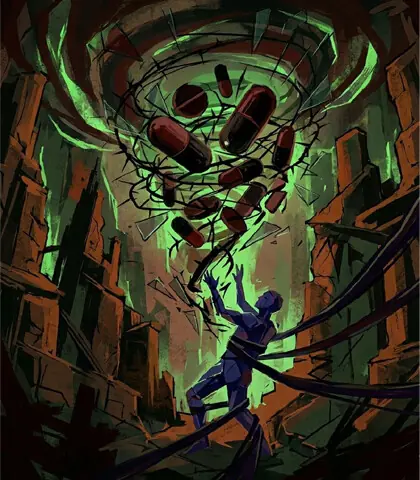
Self-medication, unethical marketing, non-evidence-based or incentive-linked prescribing, and bulk purchases of over-the-counter (OTC) medications are together leading to a number of concerning outcomes, including drug resistance, addiction, withdrawal symptoms, adverse drug reactions, drug interactions and hypersensitivities.
Self-medication ranges from 53pc to 61.3pc in Pakistan, with people using leftover medications at home, taking advice from close relatives, and giving a lot of undue weightage to experiences of similar medical conditions. Ailments like fever, headache, cough, cold and diarrhoea are frequently self-medicated in the country. In an effort to save time and money, consumers frequently self-medicate or approach unqualified practitioners due to the high expense of medical consultations and diagnostic tests.
It is, indeed, the prime responsibility of all healthcare providers to collaboratively promote rationalised prescribing, dispens-ing and use of medications. Five funda-mental indicators have been proposed by the WHO to help identify irrational prescribing practices.
The number of prescription drugs, patterns related to prescription drugs like antibiotics and injections, the proportion of generic versus brand-name pres-criptions, dispensing and consultation time, and the quantity of drugs from the national essential medicine list are the five WHO indicators.
These indicators must be implemented in all healthcare settings and must be spot-checked by the regulatory bodies. Awareness campaigns and educational seminars to promote rational use of medicines must not be limited to health-
care professionals only. These activities should be held for the public, too. This must include informing people about the dangers and risks of inappropriate self-medication, the importance of diagnosis and prescription by licensed healthcare professionals, and obtaining medications with necessary counselling by qualified pharmacists.
All healthcare professionals must be periodically trained and they have to be informed about the updated clinical guidelines as well as national policies related to medicines. Authentic drug information sources must be made easily accessible to them.
The cost of healthcare facilities, such as prescribers’ fee, laboratory tests and medicines, must be made affordable for the public to prevent self-medication.
Dr Durr-e-Shahwar Siddiqui
Karachi
Published in Dawn, April 3rd, 2026