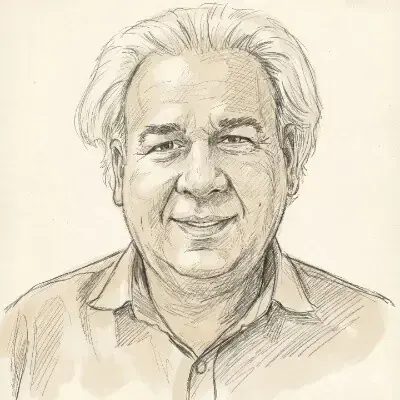
KARACHI: It is difficult to ascertain, after the demise of the inimitable Mehdi Hasan, the quality of ghazal singing in the world — which means, in those part of the world where Urdu is spoken or understood. There was a time when cassettes or CDs of ghazals sung by the likes of Mehdi Hasan, Jagjit Singh and Ghulam Ali were sold like hot cakes. Does the genre of music still have that kind of fan-base? It is a tough question to answer. An evening with ghazal singer Ustad Salamat Ali at the National Academy of Performing Arts (Napa) on Tuesday did not attract an awful lot of music lovers. But those who did turn up were discerning listeners.
The concert began with Tehzeeb Foundation’s Sharif Awan’s informative little speech on the genesis of ghazal gaeki in the subcontinent. Putting things into context, his address thoughtfully carried names of great classical musicians who played a pivotal role in the evolution of eastern music, consequently reaching the art of ghazals set to music, performed by the likes of Begum Akhtar and Mehdi Hasan.
Then he invited Ustad Salamat Ali to appear on stage. The vocalist began his performance by Zamana chahyey tha / Tumhein kya chahyey tha. It was evident from the outset that he is one of those artists who takes time to warm up. The second piece that he sang was Qateel Shifai’s ghazal, Charagar ay dil-i-baitaab kahan aate hain. Perhaps because of the sound system, there were moment when his pronunciation was not completely audible. For example, on one occasion, the word adaab sounded like andaaz. But it could also be that this scribe misheard.
This was followed by the great poet Faiz Ahmed Faiz’s Chand nikle kisi janib teri zebai ka. The ustad sang two or three couplets from the poem.
The audience then joined in the act. One of them requested the singer to present a composition in raga aiman. Ustad Salamat Ali complied with the demand. He sang Hasrat Mohani’s Dekhna bhi to unhein duur se dekha kerna. The ustad, after that, continued with some more ghazals which were appreciated by the audience.
Published in Dawn, January 29th, 2026