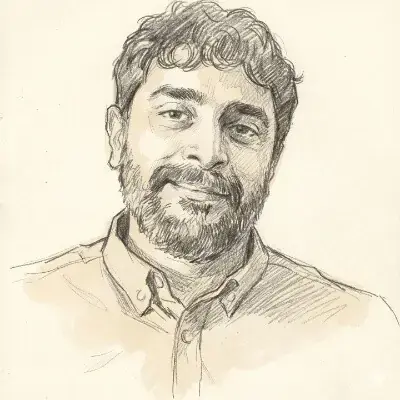
KARACHI: Allies of Prime Minister Shehbaz Sharif in the Centre, the Muttahida Qaumi Movement-Pakistan (MQM-P) and the Pakistan Peoples Party (PPP), clashed on Thursday after the MQM-P accused the Sindh government of “chronic misgovernance” in Karachi and demanded federal control of the city, drawing a strong response from the PPP that blamed the party for past violence in the metropolis.
The exchange began when senior MQM-P leader and federal Minister for Health Syed Mustafa Kamal, addressing a press conference at the party’s Bahadurabad headquarters, said the loss of human lives in Karachi had become routine and that no authority was willing to guarantee such incidents would not recur, referring to the recent deadly fire at Gul Plaza.
“At times, innocent children die after falling into open gutters, and at other times, multi-storey buildings collapse due to corruption and criminal negligence within the administration,” he said.
Mr Kamal held the Sindh government responsible for incidents such as the Gul Plaza tragedy, describing them as the outcome of
administrative incompetence and criminal neglect. He also launched a scathing attack on the PPP, saying it had ruled Sindh for the past 18 years but continued to blame MQM for its failures.
He said the mayor’s office, the provincial government and even power-sharing arrangements at the federal level had remained under PPP influence, arguing there was no justification for shifting blame.
Referring to Karachi’s troubled past, Mr Kamal said MQM-P workers had made “immense sacrifices” to rid the city of foreign interference, alleging that for 25 years Karachi had suffered under the influence of India’s intelligence agency, RAW.
“Our youth laid down their lives and handed over truckloads of weapons to the state to end that menace,” he said, adding that Karachi had instead been handed over to what he described as “democratic terrorism”.
Calling for immediate intervention, he demanded that Karachi be placed under federal administration under Articles 148 and 149 of the Constitution, stressing that the Sindh administration had become dysfunctional.
“The federal government remains reluctant to act out of fear of upsetting the PPP despite the worsening situation in the country’s largest city,” he said.
Mr Kamal also said the MQM-P had finalised its strategy regarding the proposed 28th Constitutional Amendment and warned that if the party’s proposed changes to safeguard the rights of urban populations were not approved, it would consider resigning from its ministerial positions and parliamentary seats.
Within an hour, Sindh Information Minister Sharjeel Inam Memon came up with a strong reaction, accusing the MQM-P of politicising the Gul Plaza incident. Speaking at a press conference, he said “certain parties” were attempting to exploit the tragedy while the Sindh government was showing “great patience”.
“You call yourself the party of the entire city, so you have the right to criticise, but they start making other sorts of statements in the guise of criticism,” he said, indirectly mentioning Mr Kamal’s press conference.
Mr Memon said the fire was an incident, but alleged that those who had “carried out such incidents” in the city were now making such remarks. “Those parties are talking that have even burned people alive for extortion,” he said.
He said he was “forced to respond” because “serious allegations” were being levelled against the PPP.
“The Baldia factory was set on fire, innocent people were deprived of their lives and the human hunting game was played on May 12 [2007]. Such statements from your mouth do not suit you,” he said.
During the press conference, Mr Memon played old video clips of Mr Kamal in which he was heard making allegations against MQM-P leader Khalid Maqbool Siddiqui and coalition ally PML-N, and using abusive language.
He also questioned why Mr Kamal, as the federal health minister, had not visited Gul Plaza or asked whether any assistance was needed in any matter.
“When your quaid [Altaf Hussain] used to give a strike call, when your workers used to count a score of 100 and kill people on the roads, and when bodies in sacks were found daily, did you not remember humanity then?” he questioned.
Published in Dawn, January 23rd, 2026