Business leaders reject power package, seek tariff relief
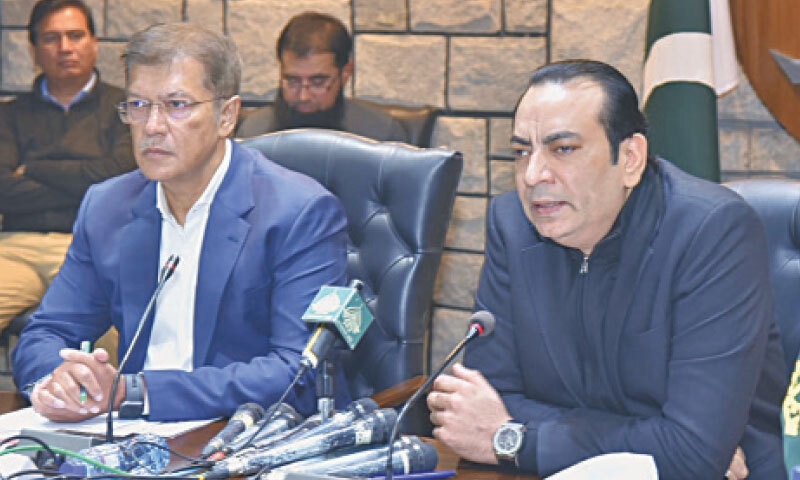
ISLAMABAD: Leaders of the business community on Friday said expensive electricity and excessive taxation had forced about 150 large textile units to shut down over the past two years, and rejected the government’s electricity incentive package.
The Federation of Pakistan Chambers of Commerce and Industry (FPCCI) warned that the industrial sector was facing a severe crisis due to high energy tariffs and heavy taxes, leading to factory closures and job losses.
Speaking at a press conference in Islamabad, FPCCI leaders criticised the government and the Power Division for not passing on to industrial consumers the benefit of a recent reduction in the base electricity tariff determined by the National Electric Power Regulatory Authority (Nepra).
They said the Power Division had maintained the industrial base tariff, citing a high number of domestic consumers receiving subsidised rates.
FPCCI President Atif Ikram Sheikh said costly electricity had crippled industrial activity, particularly in the textile sector. He said around 150 large textile units had shut down during the past two years.
FPCCI says high electricity rates, taxes lead to closure of 150 textile units in two years
Mr Sheikh urged the government to abolish cross-subsidies imposed on industry and reduce the policy rate to single digits. He proposed cutting interest rates initially to 9 per cent and then to 7pc to revive industrial growth and investment.
The FPCCI appealed to the prime minister to take urgent decisions to save the remaining industry and warned that units that had closed or relocated were unlikely to restart operations in Pakistan.
FPCCI leaders also pointed to surplus electricity in the system, saying capacity charges for unused power were being passed on to consumers.
S.M. Tanvir, patron-in-chief of the United Business Group — which holds a majority in the FPCCI — rejected the electricity incentive package and said the situation had also been highlighted in the World Economic Forum’s 2026 report, which he said had increased Pakistan’s risk rating.
He said the report showed business activity and employment opportunities were declining, while the small and medium enterprises sector had been reduced to what he described as a “junkyard”.
He criticised tax policies, saying non-filers face no scrutiny when depositing money in banks, but are heavily taxed and questioned when investing in real estate. “It appears the Federal Board of Revenue is working to please banks,” he alleged.
FPCCI officials warned that if the government failed to urgently address the issue of expensive electricity, the industrial sector could come to a standstill.
They appealed to the prime minister to “remove the industry from the ventilator” and reduce taxes on the export sector to prevent further economic decline.
It was highlighted that the industrial tariff was around 12.5 US cents per unit in Pakistan, whereas it was around 7.5 cents in India.
United Business Group Secretary General Zafar Bakhtawari, in a light remark at the end of the press conference, said it appeared economic stability could also contribute to political stability, as people engaged in jobs and businesses were less likely to be distracted by politics and crime.
Published in Dawn, January 17th, 2026