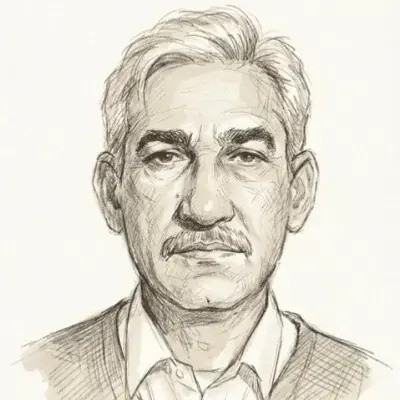
KARACHI: As banners condemning the proposed Finance Bill 2025-26 appeared across Karachi, businessmen voiced strong opposition to both the federal government’s tax proposals and the Sindh government’s planned minimum wage hike, warning of serious consequences for the industrial and export sectors.
The Sindh government has proposed raising the minimum monthly wage to Rs42,000 from the existing Rs37,000 — higher than the Rs37,000-40,000 range currently applicable in Punjab and Khyber Pakhtunkhwa.
The Karachi Chamber of Commerce and Industry (KCCI) came down hard on the Federal Board of Revenue (FBR), accusing it of an authoritarian attitude and ignoring the Business Anomalies Committee, which includes presidents of chambers and trade bodies from across the country.
KCCI President Muhammad Jawed Bilwani warned that the protests would escalate if the government remained unresponsive. “This is just the beginning,” he said. “If our demands are ignored, citywide or even nationwide strikes may follow.” He called on the entire business community, especially small traders, to stand united with KCCI if such a call is made.
Slam sweeping powers to FBR and Sindh’s Rs42,000 minimum wage
Bilwani criticised the finance minister’s repeated assurances that the budget is “public-friendly” and “business-friendly”, arguing there is no tangible relief for the business community. “The environment is already grim due to soaring energy costs, poor electricity supply, gas shortages, water unavailability, and delayed tax refunds that have paralysed liquidity,” he said.
He added that many foreign buyers were now urging Pakistani exporters to shift operations to more stable and business-friendly countries.
Sweeping FBR powers
Particularly contentious is Section 37AA of the proposed Finance Bill, which grants the FBR sweeping powers to freeze bank accounts, seize funds, and arrest taxpayers merely on suspicion—even long-time compliant ones. “How can anyone run a business in such a hostile climate?” Bilwani asked.
He revealed that numerous businessmen had approached KCCI to form a committee guiding them on how to relocate their businesses abroad to safer jurisdictions. He noted that similar concerns were being echoed in Faisalabad, Lahore, and Sialkot — major industrial and export hubs.
Minimum wage disparity
On the provincial wage disparity, Korangi Association of Trade and Industry (KATI) President Junaid Naqi said the proposed Rs42,000 minimum wage would be detrimental to Sindh’s economy, industry, and job creation.
Naqi argued that economic policymaking must reflect ground realities. With national inflation now at a historic low of 6pc, he questioned the rationale behind such a significant wage increase.
If Sindh enforces a wage higher than other provinces, businesses may be compelled to shift operations elsewhere to remain competitive, he warned, undermining employment and investment in the province.
Published in Dawn, June 27th, 2025