ISLAMABAD: Experts on the World Environment Day on Thursday urged the government and stakeholders to join forces for promoting circular economy, policy reform and grassroots action to tackle plastic pollution.
The Sustainable Development Policy Institute (SDPI) convened a high-level webinar to mark World Environment Day 2025, bringing together a diverse panel of policymakers, experts, development partners, and private sector stakeholders to tackle the growing challenge of plastic pollution, and promote circular economy models aligned with the global theme: “Beat Plastic Pollution.”
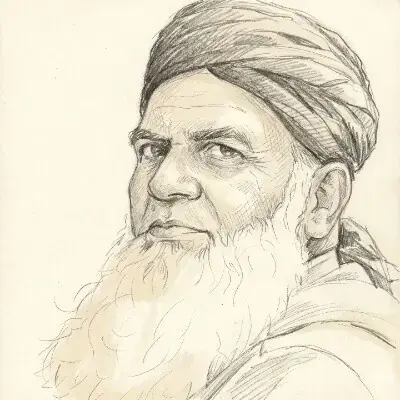
SDPI Executive Director Dr Abid Qaiyum Suleri said: “Plastic isn’t the real problem — it’s the way we manage it.”
He underscored the need for a systematic approach, involving plastic segregation, recycling infrastructure, and climate justice, stressing that Pakistan must not bear the burden of Western over-consumption.
“Those exporting their plastic waste must co-finance our waste management and technology transfer.”
Opening the session, Head of Energy Unit at SDPI Ubaidur Rehman Zia emphasised the deep interlinkages between pollution and plastics, stating that the health and ecological toll on Pakistan has become unsustainable. He stressed that reuse and circularity should take precedence, and that waste-to-energy should be treated as a last resort. Head of Energy (China) Dr Hassan Daud Butt lauded SDPI’s efforts as a torchbearer of clean energy. Asad Mehmood, an energy expert, pointed to the critical governance gap, emphasizing the need for local governments to lead in managing plastic use transitions and engage with communities to ensure inclusive data collection and decision-making.
Saleha Qureshi, Head of Industrial Decarbonisation Programme, called for a more systemic and coordinated approach to waste management and decarbonization.
She cited Pakistan’s 40 million tonnes/day waste production as a “massive opportunity” for industrial recycling and suggested utilizing agricultural residue as a clean fuel substitute in cement production. She also flagged the absence of a regulatory framework for Extended Producer Responsibility (EPR), particularly regarding solar panel recycling.
ILO’s Razi Haider Mujtaba raised a vital human dimension: the poor working conditions of workers in the plastic value chain. He urged the inclusion of these informal workers in all strategies, stating, “Decent work must be the foundation of any circular economy transition.”
WWF’s Nazifa Butt echoed the urgency, pointing to poor infrastructure and drainage systems clogged by plastics in urban centers like Islamabad. She emphasized the need for on-ground actions, proper landfills, and investment in climate-smart waste management, especially in neglected regions.
Humaira Jahanzeb from the Living Indus Initiative emphasized that plastic pollution is both a waste and development issue. With wetlands revival, social inclusion, and the Indus ecosystem at stake, she called for harmonized policies that integrate plastic management with long-term climate resilience.
Representing SwitchAsia, Ranga Pallawalla called plastic pollution part of the “Triple Planetary Crisis” (climate change, biodiversity loss, and pollution). He highlighted that EPR frameworks should go beyond compliance, and foster innovation in plastic design to reduce environmental impact.
Published in Dawn, June 6th, 2025