ISLAMABAD: The Pakistan Telecommunication Authority (PTA) has allocated a helpline to the National Emergency Operation Centre on Polio to report children missed in vaccination drives and clarify people’s misconceptions about polio vaccination.
The helpline, which is funded by Unicef, will also allow the polio programme’s 262,000 workers to lodge complaints regarding the difficulties and obstacles they face during and after polio vaccination campaigns.
According to a notification issued by the PTA on Monday, available with Dawn, the helpline short code 1166 has been allocated to the polio programme and all concerned landline and cellular operators have been asked to activate the helpline.
Callers to the helpline will be charged the normal call tariff, it said.
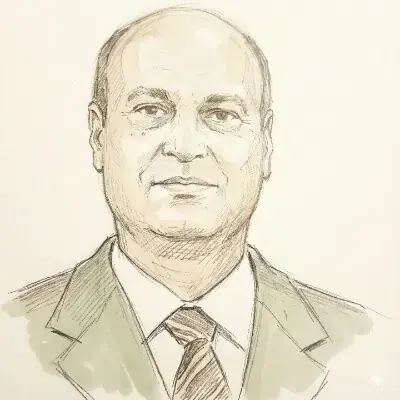
Prime Minister’s Focal Person on Polio Babar Bin Atta told Dawn that the helpline has been established with funding from Unicef.
“It has been established to address parents’ misconceptions, and they will also be able to report if polio teams do not visit their homes. As many as 30 phone lines have been dedicated to the helpline, and it will be functional 24/7,” he said.
Staff will sit at the helpline in three shifts of eight hours each, he added.
Calls will be recorded and parents will be contacted again to see if their grievances were addressed.
Mr Atta said the helpline can also be contacted to address misconceptions about the vaccine. There are around 16 main misconceptions, he said, such as that the vaccine causes infertility, that it comes from India, that there is no laboratory in Pakistan to check the quality of the vaccine, whether the vaccine is halal and whether it should be administered repeatedly.
“People will be given complete information and satisfactory answers to their questions,” he said.
A total of 62 cases of polio have been confirmed so far this year, compared to 12 in 2018 and eight in 2017. Of these, 46 were reported from Khyber Pakhtunkhwa and its tribal districts, six from Sindh and five each from Punjab and Balochistan.
Polio is a highly infectious disease caused by the poliovirus that affects mainly children under the age of five. It invades the nervous system, and can cause paralysis or even death. While there is no cure for polio, vaccination is the most effective way to protect children.
Each time a child under the age of five is vaccinated, their protection against the virus is increased. Repeated immunisations have protected millions of children from polio, allowing almost all countries in the world to become polio free.
Pakistan and Afghanistan are the only countries in the world where polio cases are being reported. Pakistan remains under a polio-linked travel restriction imposed by the World Health Organisation in 2014, according to which every individual travelling abroad has to carry a polio vaccination certificate.
Published in Dawn, September 17th, 2019