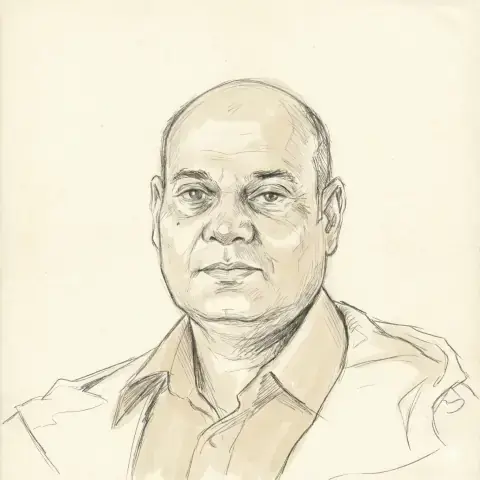
ISLAMABAD: Clerics and scholars affiliated with the Pakistan Ulema Council (PUC) have declared that branding any Muslim as a non-Muslim is not only against the norms of Sharia, but also an unethical way of politicising Islam.
Speaking to the media on Monday, PUC chairman Hafiz Tahir Ashrafi said elements using Islam for political purposes or for personal gain were bringing a bad name to clerics as well as Sharia.
“It is a more serious threat to Islam than anything done by its enemies that ‘so-called muftis’ have started issuing fatwas which are anti-Sharia in the first place and all this is being done in the name of Quran and Sunnah,” Hafiz Tahir said.
“We have rejected this controversial practice and any organisation or individual will not be allowed to issue decrees declaring a Muslim as a non-Muslim,” he said. “Such irresponsible attitude is not only fanning sectarianism but also giving a bad name to our country.”
The PUC chief said all non-Muslim citizens had their rights defined in the constitution while Sharia too had specified rights they enjoyed in an Islamic state.
“We made it clear at a recent meeting with the interior minister that the status of Ahmadis, as declared in the Constitution, cannot be undone. But at the same time nobody can be allowed to declare any Muslim an Ahmadi and eventually a non-Muslim,” Tahir Ashrafi said.
The PUC recently held a conference which drew 1,500 religious scholars from different schools of thought. The conference extended support to the National Action Plan as well as the drive against extremism.
A resolution adopted at the conference stressed that killing in the name of religion was against the teachings of Quran and Sunnah.
It called upon clerics and scholars belonging to the four mainstream schools of thought — Shia, Barelvi, Deobandi and Ahle Hadis — to dissociate themselves from the elements fanning hatred on the basis of religion.
The conference had also resolved that no Muslim sect would be declared infidel and no one had the authority to recommend the killing of any Muslim or non-Muslim.
The conference called upon clerics to observe court ruling on religious matters and to settle controversial subjects in a court of law.
Hafiz Ashrafi said efforts were under way to have national flags hoisted at seminaries and mosques on the eve of Independence Day.
Published in Dawn, July 30th, 2019