DAWN.COM

Today's Paper | March 18, 2026

Published 24 Apr, 2013 12:53pm

Day 4: Rabwa - Standing witness

Day 4: Rabwa - Standing witness

(Click on images and videos to enlarge)

The road from Nankana to Shahkot is straight and my journey on it was uneventful. In fact, I started the journey later than planned and was in hurry to get to the next stop in time, that is before sunset.

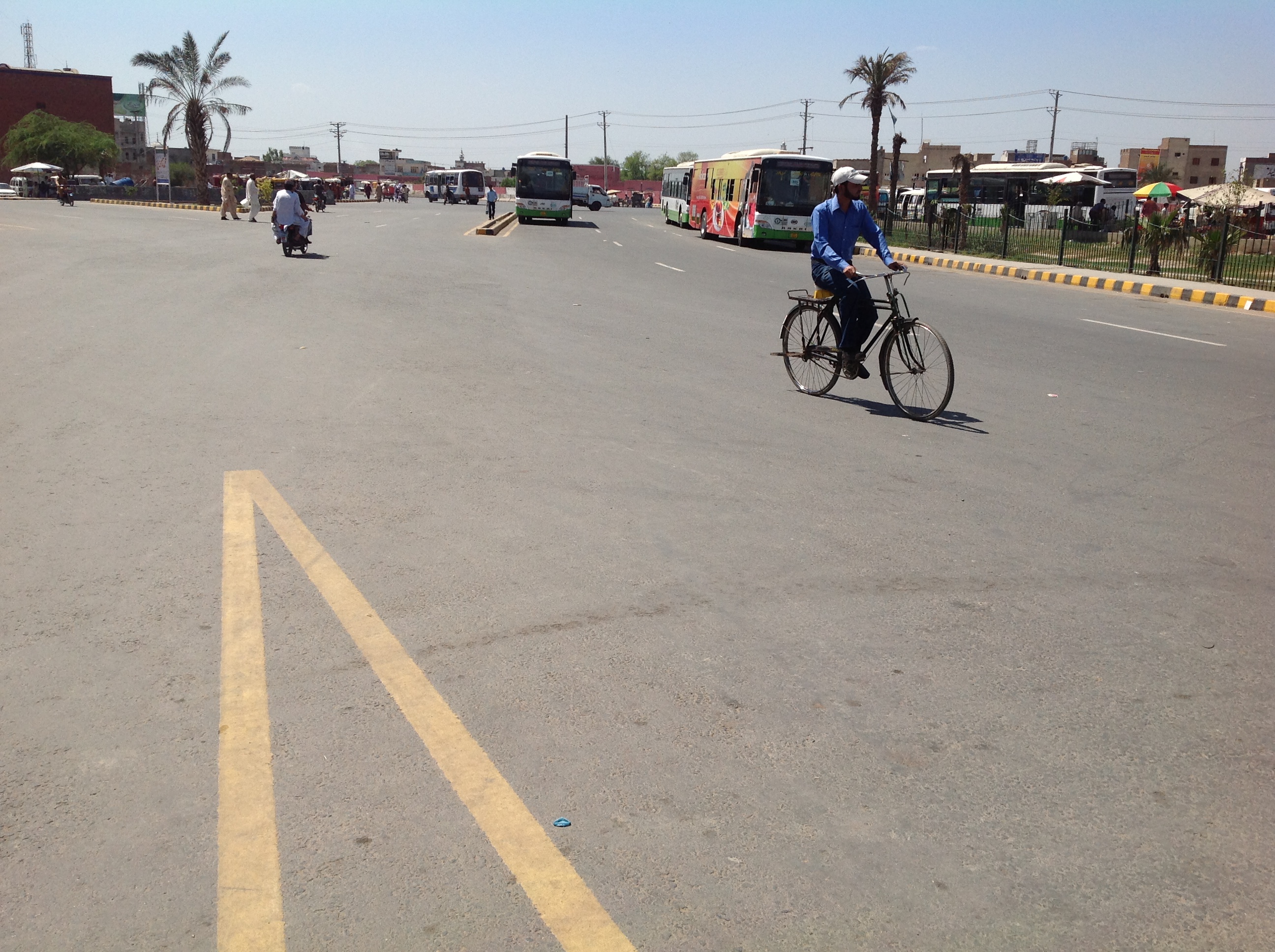
The road from Shahkot to Khurrianwala was even straighter. The locals called it 'the motorway' as it is a proper, well-constructed, four-lanes passage complete with a narrow green belt running in between. It was a smooth ride.

There are sprawling industrial complexes along this road with some, it seems, stretched to a few kilometres. But you don't see any hustle bustle that is normally associated with industrial activity. The villages along the road also look quite calm. If you are a regular traveller on this road, I am sure you could smell where you are; each stretch has its own distinct pungent smell associated with the industry located there.

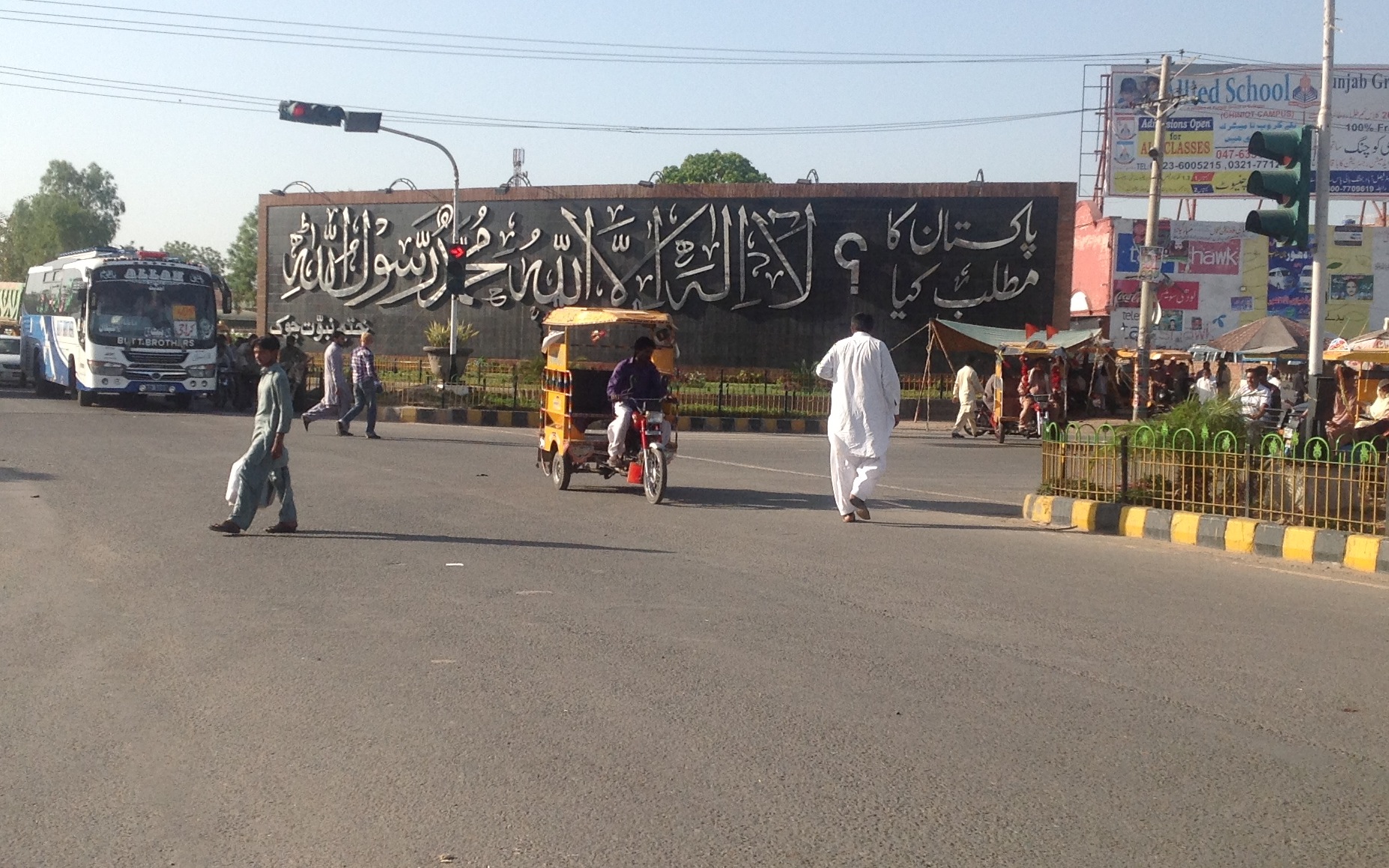
Khurrianwala itself was a bigger surprise as it looked like a major crossing of a big city. The name is a tongue-twister with an 'r', followed by what is called the Indian retro flex 'r'. Six major roads meet here and the place is close to Faisalabad, the textile capital of the country.

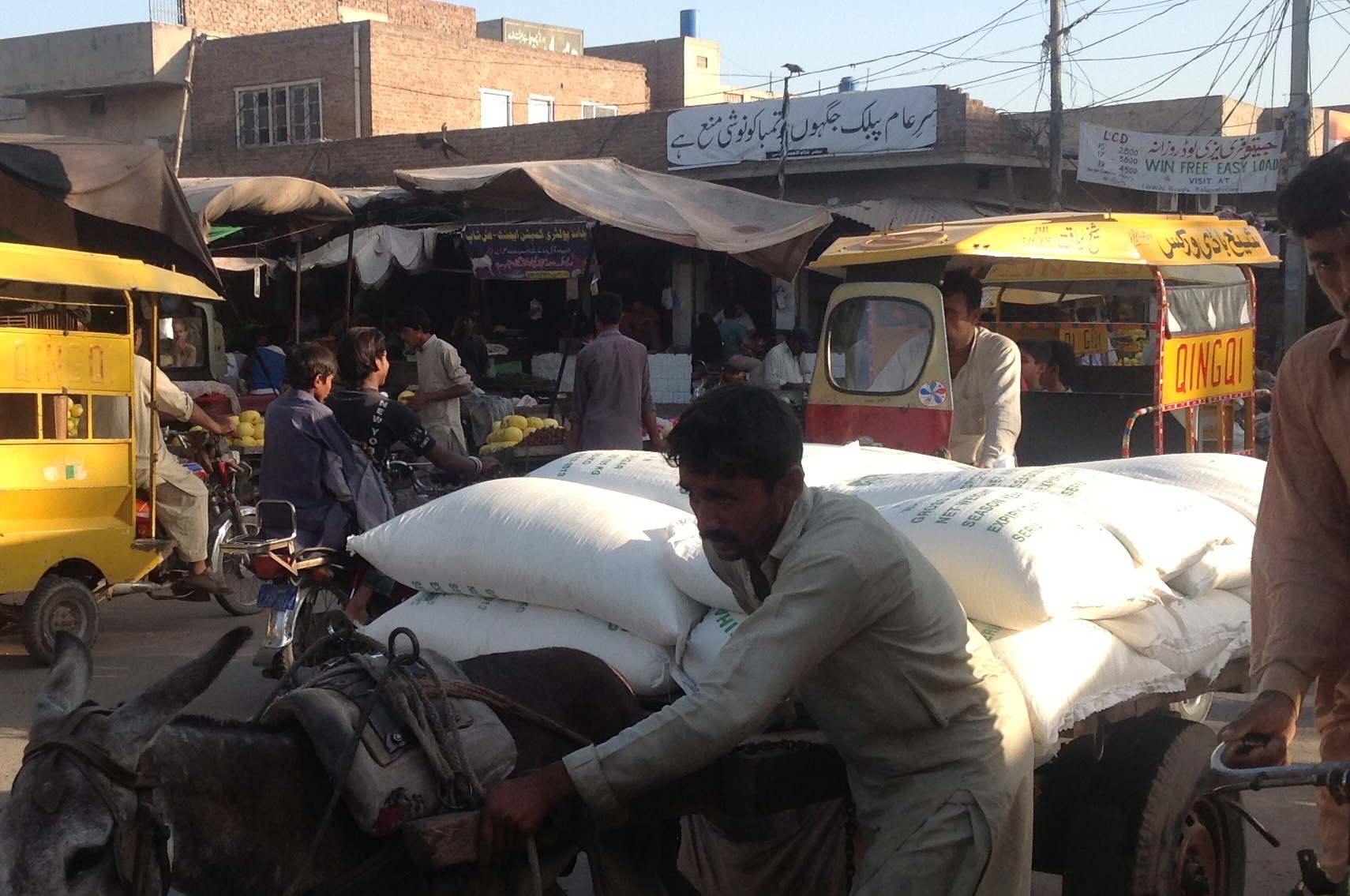
The story behind the serenity of this area was partly laid bare by the Khurrianwala – Chak Jhumra road. This rural stretch is dotted by numerous small sheds that are out-sourced to labour intensive parts of textile production by the large industries. Labour is cheap in rural localities. The industry finds it more economical and trouble-free to get these jobs done here by small enterprises than doing it themselves, and at their premises.
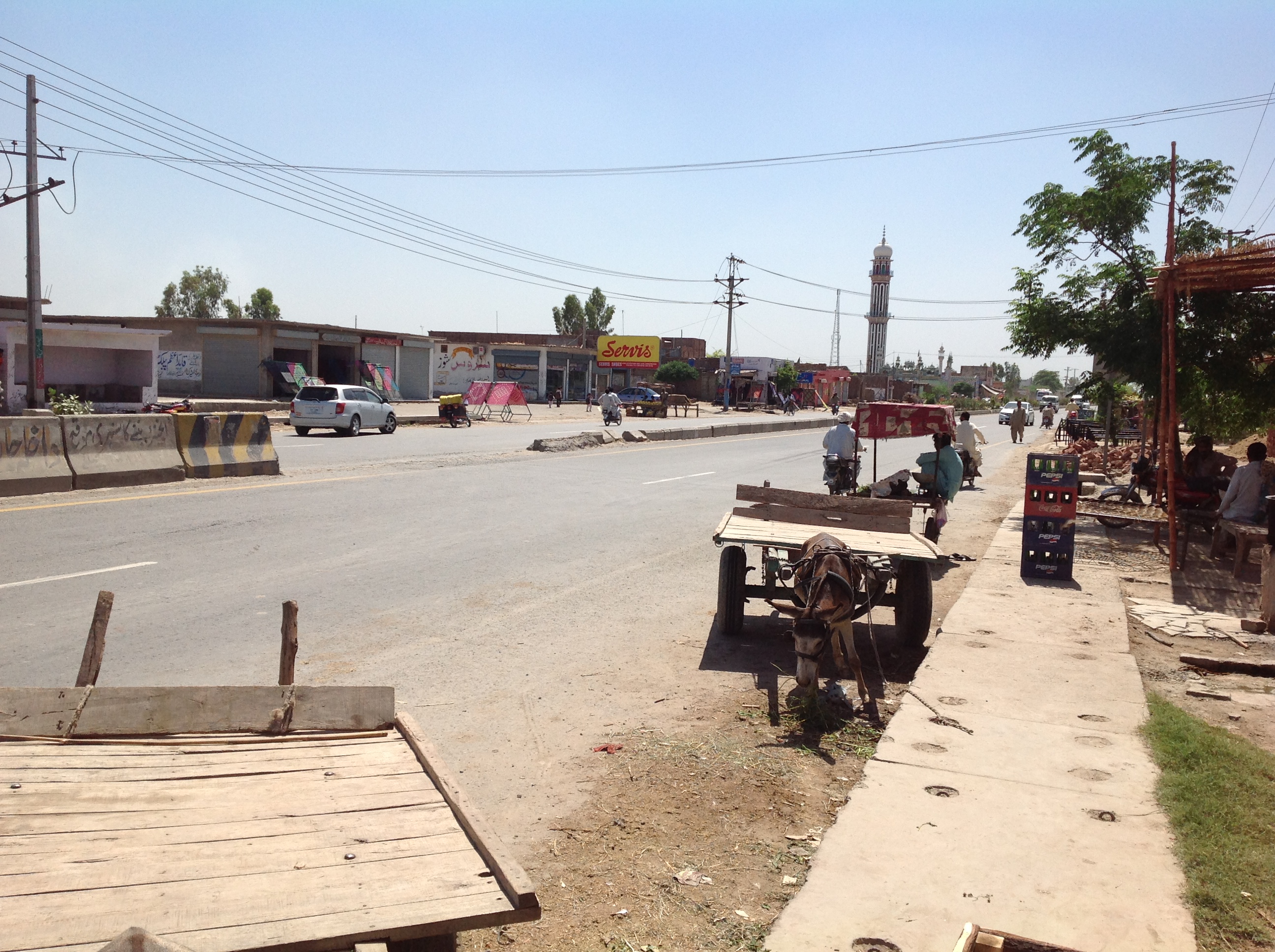
The worker that I talked to specialised in only the first part of the process that converts thread into cloth. He told me that the large industries are constrained by their many obligations as exporters. They don't have to follow any labour laws or minimum wages requirements. They mostly pay per work thus, evading work hour restrictions as well. This informalisation of production also saves the industry from the troubles of dealing with labour unions. He had no experience of a labour union and certainly no idea about how is it linked to politics.

The road from Chak Jhumra to Chiniot was an anti-climax at best, being the worst of all I have travelled to date, with big potholes every other step of the way. But I managed to reach Rabwa before dusk. This small town is separated from Chiniot by the River Chenab – and a sea of discriminatory laws, policies and attitudes.

In the past two days, I have been to two towns that are associated with two religions. They both originated in Punjab and they both hate cigarette smoking. At Rabwa, anti-smoking signs are prominent at every public place.

When I visited Rabwa, some two decades ago, it bore visible signs of being an abandoned  place – a shattered dream. It stood witness to the fact that the Ahmadis have been thrown out of the political and social mainstream. I was expecting it to be in even worse condition now, but it isn't.

The Jamaat Ahmadia had secured this vast patch of land after the birth of Pakistan. When it started building a planned city here, which also housed its religious headquarter, it had big ambitions to make it a model Islamic metropolis. That eagerness soon rammed head-on into gigantic hurdles but the Jamaat waited, probably hoping that the tide might reverse. It remained in limbo. But now it is not in that mode anymore.

Legally speaking, after the restoration of the joint electorate system in 2002, Ahmadis have voting rights equal to any other citizen, except that their voter lists are separate. In our present electoral system, we have two voter lists, one for Ahmadis and the other for the rest including Muslims, Christians, Hindus and others. This absurd provision is probably made to ensure that the humiliation of Ahmadis continues.

Refusing to be registered as non-Muslims, Ahmadis have abandoned their voting rights. There are little signs of an election campaign here. They are least interested in any debate on the matter. They have lost all hope and settled for the worse. A number of them have migrated to other countries and most of them are doing fine. Rabwa's dismay has now hid itself behind the glitter of the foreign exchange that these Ahmadis send back.

Meanwhile in Chiniot, the campaign has just started, the Punjabi way. Till today, there were posters of many candidates from one party for the same constituency, each writing 'inshallah' in fine print over 'umeedwar xyz party'. The inshallahs shall now be replaced with mashallahs by the lucky ones.

Read Comments

Punjab govt to take legal action against those involved in 'malicious campaign' over use of official jet Next Story