0
0

KARACHI: Keeping in view the developing global political and economic situation, experts of international relations have advised the government to evolve its diplomatic policy and not play victim to foreign intervention.
This was stated during a dialogue session on ‘Changing scenario of world politics during 2017’ held at the Pakistan Institute of International Affairs on Saturday.
During the session, foreign affairs specialists concentrating on various aspects of international affairs mutually concurred that the country’s sole reliance on foreign powers, mainly the United States and China, would not resolve internal problems.
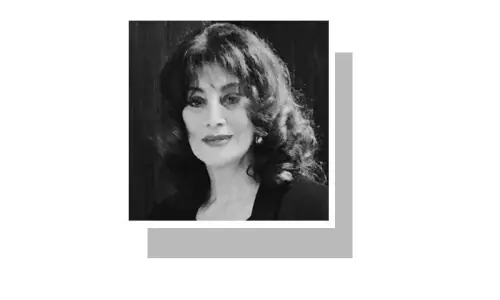
Drawing attention to the possibility of a strategic centre being established by the US in Pakistan in future, Dr Talat Wizarat, a noted scholar in the field, said: “The government should be careful and not pay the price for adventurism of other countries.” Emphasising growing mistrust in the neighbourhood towards Pakistan and uncertainty following change in the US administration, Dr Wizarat warned that the centre could further destabilise the country. “Securing nuclear weapons and strengthening diplomatic ties are our government’s responsibility — national interest comes first,” she said.
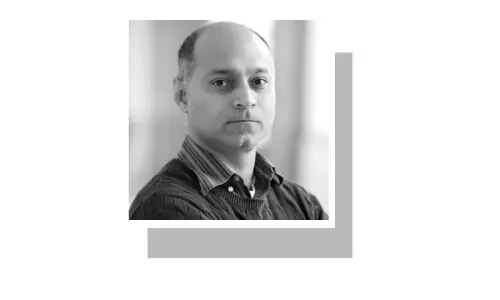
Accentuating upon the impact of non-state actors on national and foreign policy, journalist Mazhar Abbas said: “Non-state actors are more powerful than the state in the country. There are at present about four million aliens in Karachi, excluding Afghan refugees — who are more vulnerable to these entities.”
The increasing pressure from the non-state actors was obstructing implementation of the National Action Plan, he added while questioning whether Pakistan was a victim of its own creations or others’ intervention.
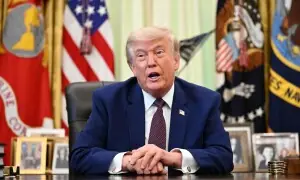
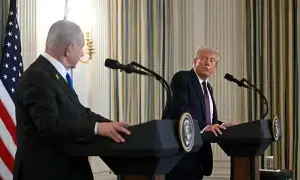
Giving prominence to consequential repercussions of the post-Brexit scenario and US President Donald Trump’s administration, Dr Khalida Ghous of the University of Karachi’s Department of International Relations said: “The government is predominately occupied with terrorism — it must extend foreign policy to other global concerns as well.” Commenting on US President Trump’s speech at the inauguration ceremony, she said that the US had been conditioned in maintaining influence on global politics and it was unlikely that it would pull out troops from conflict areas and focus on ‘America First’ policy.
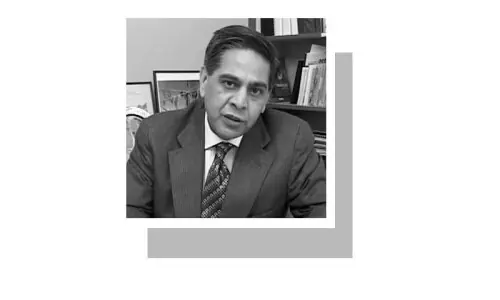
Building up on the need to devise an inward approach to national and diplomatic policy, columnist Agha Masood said: “Domestic problems are on the rise, the economy is dependent on international aid, there is no contribution to human capital — how will the foreign policy improve?”
Published in Dawn, January 22nd, 2017