54
54
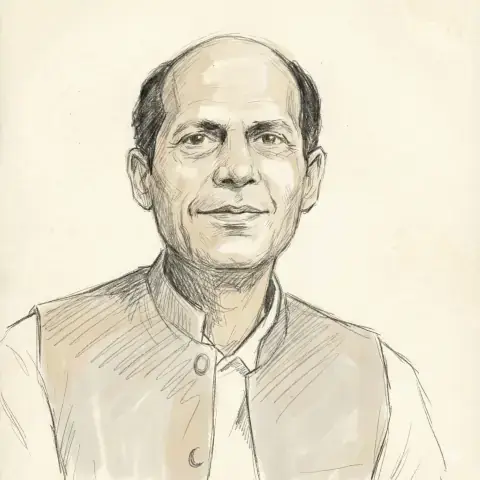
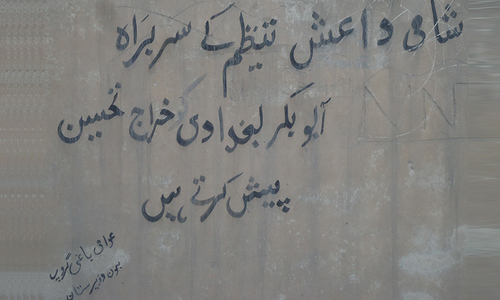
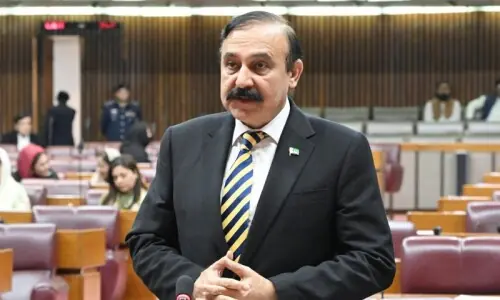
ISLAMABAD: The director general of the Intelligence Bureau, Aftab Sultan, informed the Senate Standing Committee on Interior on Wednesday that the militant Islamic State group was emerging as a threat in the country because several militant groups had soft corner for it. He named Lashkar-i-Jhangvi and Sipah-i-Sahaba Pakistan as examples.
Though IS and Afghan Taliban were rivals, the Tehreek-i-Taliban Pakistan (TTP) coordinated with it, he added.
The interior ministry has been denying the presence of IS in Pakistan, saying that it was an Arab organisation. But Mr Sultan said the IB had busted a big IS network after several members reached Punjab following Karachi’s Safoora Goth carnage in May.
He held the banned TTP responsible for major terror incidents in the country and said the group had been realigning with Lashkar-i-Jhangvi and Sipah-i-Sahaba.
He specifically mentioned killings of SP Chaudhry Aslam in Karachi and ANP leader Bashir Bilour in Peshawar.
He said terrorists were reorganising and stressed the need for a border control mechanism, particularly with Afghanistan, enhanced regional cooperation, implementation of the National Action Plan and de-radicalisation policy with a focus on counter-narrative.
The IB chief called for a comprehensive policy for “rehabilitation of jihadi elements” and effective implementation of policy for monitoring social media and cyberspace.
The reconciliation process in Balochistan should be placed on fast track and Fata reforms be implemented, he added.
Aftab Sultan also confirmed the presence of Al Qaeda in the sub-continent and said evidence of their involvement in killings of some police officers had been found.
He said local TTP leader Abid Muchar and Kazan Gul, who were wanted in 100 terror cases, had been neutralised in an IB-led operation.
He said the TTP Fazlullah group was still the strongest militant group and operating in coordination with other outfits.
The law and order situation had considerably improved in the country after the launch of Zarb-i-Azb Operation and terrorists were on the run, he claimed.
Mr Sultan said civilian security and intelligence agencies were augmenting the military operation in cities to avert retaliation by terrorists.
He warned that the country could see more terror attacks because it was not possible to completely eliminate terrorists in the next decade.
He said under a new mechanism the IB was closely working with provincial police and counter terrorism departments.
About target-killings in Karachi, the IB chief said the number of incidents had been coming down steadily since 2013, saying that the figures for ’13, ’14 and ’15 were 1,922, 1,305 and 546 respectively.
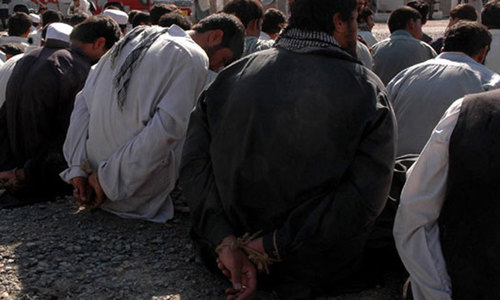
He said 1,121 terrorists, target-killers, kidnappers and other criminals were arrested and 95 killed in Sindh in IB-led operations. In Khyber Pakhtunkhwa, 581 terrorists had been arrested and 84 killed in such operations.
In reply to a question, he said foreign hands had not been involved in most of terrorist attacks as local terrorists, mostly from tribal areas, were behind them.
He said the IB had unearthed a gang of robbers which used to come from Afghanistan and dump their weapons in Tarnol areas of the capital. They had confessed 10 big robbery incidents.
He praised Punjab for taking lead in action against sectarian and proscribed organisations and in blocking their finances and ensuring conviction in more than two dozen cases.
Published in Dawn, February 11th, 2016