There are no surprises where the semi-finalists for the World Cup are concerned. New Zealand dutifully took the fourth slot alongside India, Australia and South Africa after completing a comfortable 143-run win over West Indies.
Australia, South Africa and New Zealand had shown sizzling form leading into the World Cup. Playing at home gave the Trans-Tasman cousins an added advantage, while South Africa had the incentive to rectify their long-standing reputation as chokers.
India, of course, were defending champions. There was some sketchy skepticism about India following their struggle in the tri-series that preceded the tournament, but this was summarily banished in the first match itself against Pakistan.
So far so good, for what better than the strongest sides being in the semi-finals? Distressingly though, all the quarter-finals were so hopelessly one-sided that none of them were played over even 85 of the stipulated 100 overs.
By the half way mark or just a little beyond, the winner was easily identified. The rest of the proceedings became more or less academic.
While it is always gratifying to watch a superlative individual performance, the magic of sport lies in the result being in suspense as late as possible. The more twists and turns in a match, the more riveting it gets.
Looked at from another point of view, a team must be very good in at least two from four areas which count in performance: batting, bowling, fielding and temperament. Barring the top four, all other sides were found wanting in two if not more of these. The best among the rest, in my opinion, were Ireland who unfortunately did not make the cut.
The Sri Lanka batting for some reason froze against South Africa. Even so, their bowling had been so poor that it was unlikely that they would win, unless they scored 350-plus. In the event, they collapsed and the match became a disaster.
Bangladesh fielded the youngest team in the tournament and getting into the quarter-finals was fine achievement. Youngsters like Rubel Hossain, Mushfiqur Rahim and Mahmudullah are also very talented. But that has been said about Bangladesh sides for the past two decades.
Somehow, they have consistently failed to fulfill the promise shown.That is the challenge they need to take on instead of moaning and groaning about some umpiring decisions that may have gone against them.
Pakistan and West Indies are a different story altogether. Both have been major powers for long periods but, for different reasons have slumped into mediocrity and just about scraped through to the last eight.
Over the years, they have acquired the reputation of being ‘mercurial’ and ‘unpredictable’. This undoubtedly adds a dash of romance to their cricket, but one feels that they are now becoming victims of such stereotyping.
Despite the handicap of losing key players for reasons of injury or discipline, in my opinion both these teams were guilty of playing thoughtless and unprofessional cricket, much to the chagrin of cricket lovers everywhere.
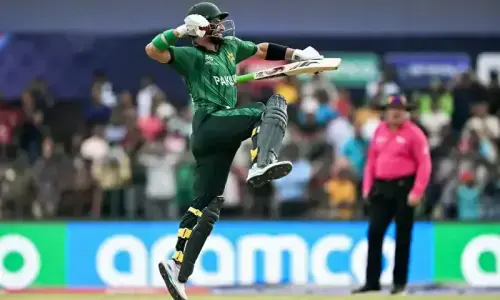
The Pakistan-Australia game was the best of the quarter-finals because there was a spell of play when it seemed an upset was on the cards. But Wahab Riaz’s brilliance and hostility went to waste as two dolly catches went abegging, letting the Aussies off the hook.
Harsh as it may sound, such catches are the stuff of school cricket and inexcusable. A team does not deserve to win for such profligacy. Thirty-six year-old Daniel Vettori’s spectacular catch to dismiss Marlon Samuels showed how fitness, drill, commitment matter at this level.
The West Indies seemed to be playing to some diabolical game-plan — or none at all! Batting, bowling and fielding, there was no method to their madness. They were also overly dependent on Chris Gayle, who had his moments, but which could never be sustained throughout the tournament.
The poor performance of the losing quarter-finalists should concern the game’s administrators. As it is, cricket is played between very few countries. If the gulf between the top four teams and others become so wide, it will cease to engage viewers, sponsors and other stakeholders in the sport’s eco-system.
How to remedy this imbalance would be a darned sight, more useful than fining Wahab Riaz and Shane Watson for what according to me was the most thrilling contest yet in this World Cup!
Published in Dawn March 22nd , 2015
On a mobile phone? Get the Dawn Mobile App: Apple Store | Google Play