6
6

ISLAMABAD: A former spokesperson for the Pakistan Army has revealed that ex-army chief retired Gen Ashfaq Parvez Kayani was reluctant to launch a military offensive against Taliban in North Waziristan even though a decision had been taken four years ago.
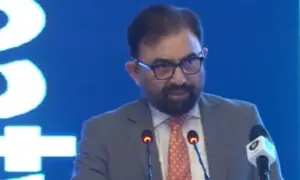
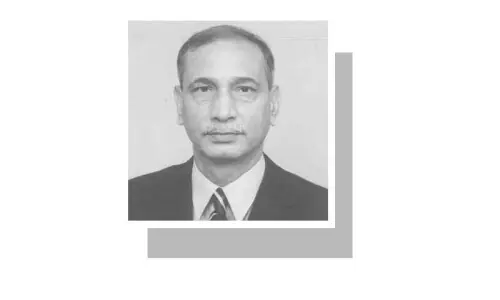
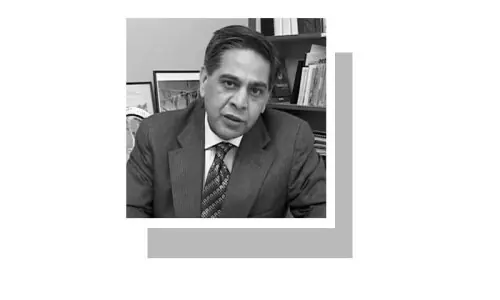
Speaking during an interview with BBC Urdu on Monday, the former director general of the ISPR, Maj Gen (retd) Athar Abbas, said the military leadership had concluded in 2010 that an action against militants in North Waziristan was vital for peace in the country.
A decision was taken that as preparations would take one year, military action will finally be taken in 2011, Gen Abbas said.
However, no operation was launched “due to the indecision of Gen Kayani”, he said.
Athar Abbas says a decision about a military action in North Waziristan had been taken in 2010
Maj Gen (retd) Abbas replied in the affirmative to a question whether “personal weaknesses” of the former army chief played a part in the reluctance to launch the operation.
“This is generally true,” he said. “He (Kayani) was hesitant regarding the military offensive in North Waziristan. He kept delaying the decision because he thought it would be considered as his personal initiative.
“That is why he kept delaying the decision. This cost us dearly,” Athar added.
He said that the “indecisiveness” led to loss of time and the country, nation, government and the armed forces paid a heavy price for it.
“The delay has strengthened the extremists … they have grown in numbers and are more resourceful now. They are better connected with each other now and in my opinion things have become more complicated,” said the former ISPR chief.
He said the military leadership of that time had decided to launch the military operation in North Waziristan upon recommendations of commanders stationed there and on the basis of intelligence reports.
“The on-ground military commanders were of the view that peace could not be restored in the country without a major military offensive because all kinds of militants had gathered in that area.”
Athar Abbas said before that there were two opinions among the top brass. “One opinion was in favour of the offensive while the other was for delaying the action,” he added. He said the Haqqani network was one of the reasons for the delay. There was no consensus on a strategy to tackle the group.
Athar Abbas also revealed that the United States contributed its bit to the indecision, saying that constant pressure from that side to launch the operation made things difficult for the authorities in Islamabad.
Published in Dawn, July 1st, 2014