ISLAMABAD: In what appears to be a major policy shift, Pakistan has decided to open its land routes for transit trade under an international agreement.
Signed in December in the Indonesian city of Bali under the World Trade Organisation (WTO), the agreement calls for all countries to provide such transit for promoting regional trade.
After enforcement of the agreement, possibly by July this year, Pakistan and India would also not be able to prevent traders from using their land route for sending products to other countries.
Some people, especially those who will be responsible for creating infrastructure at the border or maintaining highways, say the agreement may put additional burden on the country’s resources.
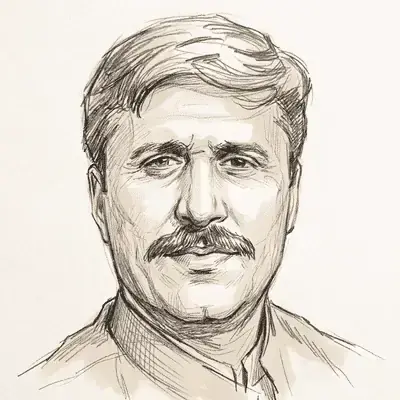
But Commerce Minister Khurram Dastagir Khan insists that the agreement will be beneficial to Pakistan because it will ensure transit facilities for Pakistani goods through India to Nepal, Bhutan and Bangladesh. “We will also get market access to neighbouring countries,” he told Dawn. Although extremely beneficial to traders who may use Indian land to export and import goods to and from countries such as Bangladesh and Nepal, it is not clear to what extent this facility will boost trade through that route.
Currently, Pakistan allows land route to Afghanistan for its exports to India, but the same facility is not available to the latter.
“Transit trade between India and Afghanistan through Pakistan is our major red line,” a senior government official told Dawn. After acceding to the agreement, Islamabad has lost freedom to exercise its discretion, he added.
The agreement has also bound member countries to develop infrastructure on borders out of their own resources. The agreement says members are encouraged to make available, where practicable, physically separate infrastructure such as lanes, berths and similar for traffic in transit.
Recently, the FBR convened a donor conference to get assurances from donor agencies to provide funding to set up infrastructure.
A customs official said massive resources were required to build infrastructure at Wagah, Torkham and Chaman.
He said it was not clear to what extent the agreement would secure Pakistan’s interest vis-a-vis the Afghanistan-Pakistan Transit Trade Agreement.
The Bali agreement does not have any such protection. According to sub-article 3 of article 11 of the agreement, members shall not seek, take or maintain any voluntary restraints or any other similar measures on traffic in transit. This is without prejudice to existing and future national regulations, bilateral or multilateral arrangements related to regulating transport consistent with WTO rules.
Trade experts are of the view that the new agreement should be open for discussion before its ratification by Pakistan.
The government has set up a steering committee, headed by Finance Minister Ishaq Dar, to spearhead the development. Five federal ministers and seven secretaries will be its members.
The ratification of the agreement carries three categories of commitments binding member countries to implement it.
“We are working on our category A. commitments,” a customs official told Dawn. They will be finalised in a couple of months, mostly involving procedural changes in the law, for implementation from July 1.An official of the National Highway Authority said that the existing road networks might not support heavy traffic of transit goods, especially from Wagah to Peshawar.
And the agreement does not allow a member country to impose a tax on transit goods for rehabilitation of damaged roads.