0
0

ISLAMABAD, Dec 5: Experts have termed the anti-money laundering law in Pakistan ‘inadequate’, saying it indirectly sanctions money laundering.
Speaking at a seminar on “Money laundering and Pakistan” organised by the Pakistan Institute for Legislative Development and Transparency here on Friday, they said the Khanani and Kalia episode was not a case of money laundering because sending money abroad was not a crime.
“It is for the government and not service providers operating in the open market to determine that the money required to be transmitted is legal or ill-gotten,” they added.
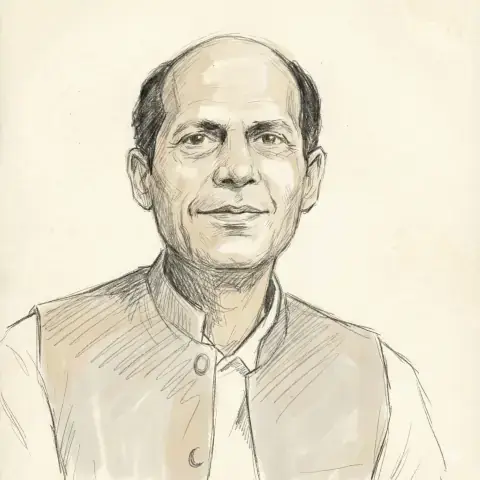
President of the Research Society for International Law, Ahmer Bilal Soofi, said the law only covered a certain areas of formal sector and banking transactions and there was a great scope for improving it.
He said that regulatory authorities, including the State Bank and Securities and Exchange Commission of Pakistan, should take effective steps to curb hawala and hundi and terror financing.
Mr Soofi said that transactions by ordinary people were not money laundering unless the money transferred was linked to certain category of crimes called predicate offence.
Raheel Rana, an anti-money laundering expert, said that insertion of illegally obtained funds into the financial system was money laundering.
“Money laundering involves transactions intended to disguise the true source of funds and their ultimate disposition, evade income tax and eliminate an audit trail and make it appear as though the funds came through legitimate sources.”
He said that money laundering had a negative effect on the economy, government and social wellbeing. “It distorts business decisions, increases the risk of bank failures, takes control of economic policy away from the government, harms country’s reputation and exposes people to drug-trafficking, smuggling and other criminal activities.”
The seminar was informed that estimated money laundering flows exceeded one trillion dollars every year. According to the International Monetary Fund, the aggregate size of money laundering in the world would be between two and five per cent of the world GDP.