



 0
0

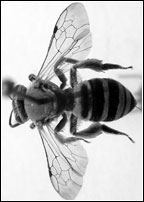 MULTAN, Oct 18: Five species of pollinator bees in southern Punjab face extinction due to destruction of natural habitats and indiscriminate use of pesticides, says a study.
It has been conducted by Asif Sajjad, a PhD scholar of the Bahauddin Zakariya University, who is working on the biodiversity of bees and their role in crop pollination.
Bees pollinate crops by carrying pollens from one flower to another and decline in bee population mean decline in food crops. Mr Sajjad studied 80 bee species from five families.
“I visited many areas in Multan, Khanewal, Pakpattan, Bahawalpur and Muzaffargarh districts but did not found even a single specie of Anthophoridae family,” he said.
According to him, almost all bee species are at the verge of extinction but Thyreus sp., Melissodes sp., Xylocopa sp., Megachile sp. and Colletes sp. are at a sharp decline.
There are 20,000 species in the world and a report says 80 to 90 per cent of the bee population in the United States died out in last few decades.
The loss of bee species is not documented in Pakistan because no work has been done on the biodiversity of bees and their role in crop pollination.
Only a few crops, corn and wheat, are pollinated by wind while 90 cultivated flowering crops rely on bees.
The researcher says that pollinators are unseen engines driving an ecosystem and they couple plant to plant and plant to animal, spinning the verdant world through endless cycles and feedback loops, providing fuel and fuses and safety valves.
He said that bees not only pollinated crop plants but hundreds of wild plants, trees and shrub species and the absence or reduction of pollinators affected pollination (reproduction) in plants. This resulted in reduction of plants in an ecosystem and the primary consumers (birds, insects and mammals) were under stress and so were the secondary consumers (the carnivores).
He said the destruction of natural habitats and indiscriminate spray of pesticides were major factors behind the decline while environmental pollution, destruction of host plants and electromagnetic waves of cell phone towers were other bee decline factors.
He said the proliferation of cell phones radiation was adding to the bee decline. He said efforts should be launched to educate people about pollinators' critical economic and agricultural importance and suggested prepare a complete list of our native bee species and monitoring their populations.



























