0
0

PESHAWAR, Oct 13: Shortage of psychiatric services has been affecting people across the NWFP and Federally Administered Tribal Areas (Fata), an expert told Dawn here on Sunday.
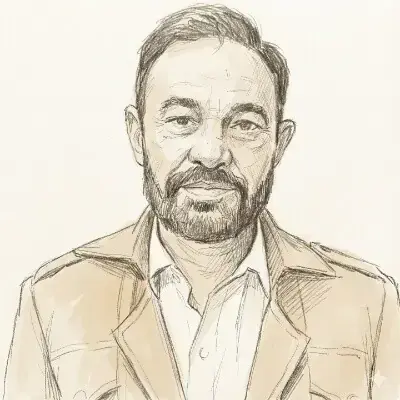
“We have about 20 psychiatrists for a population of 24 million people in the NWFP and Fata, which is grossly inadequate given the spate of terrorism and violence,” said Dr Iftikhar Hussain, a senior psychiatrist at the Government Sarhad Hospital for Psychiatric Diseases.
Citing the World Health Organisation (WHO) guidelines, he said that there must be one psychiatrist for 10,000 to 50,000 people but the Frontier region had the services of only one psychiatrist for 1,200,000 persons. “Stressors of life have been tremendously increasing in the NWFP which had been economically, socially and culturally backward. But the recent difficulties in the increasing percentage of unemployment as more than 40 per cent population is living below the poverty line, skyrocketing prices, non-availability of flour, loadshedding, patrol, diesel and gas have further increased the severity of stressors,” Dr Hussain said.
On the top of that, he said, everyday hundreds of human beings are killed in explosions, suicide attacks and other terrorist activities. The situation of a civil war and migration of people from Swat, Orakzai, Bajaur and other war zones have caused 30 to 40 per cent increase in psychiatric disorders like anxiety disorders, posttraumatic stress disorder, depression, psychosis and substance abuse.
Fear, apprehension, clouds of uncertainty and insecurity, he said, were prevailing all over the society. This situation and the increase in the percentage of psychiatric disorders demanded comprehensive psychiatric services.
“There are no psychiatric services both the public and private sectors in the entire Fata and Provincially Administered Tribal Areas (Pata) except one or two small private clinics in Parachinar,” he said and elaborated that there was no psychiatrist between Dera Ismail Khan and Peshawar, between Mardan and Dir, and Swat except one small unit at the Saidu Teaching Hospital Swat.
Likewise, the psychiatrist said, people residing between Peshawar and Abbottabad were without psychiatric services as a result they were suffering from disorders, often treated by other than psychiatrists, causing further harm to the patients.
“Number of patients has been on the rise since the war on terrorism in the Fata. We need more psychiatrists to provide treatment to the people,” he said, adding that mental and behavioural disorders are common, affecting more than 25 per cent of all people at sometime during their lives. They have an economic impact on the society and on the quality of life of individuals and families.
About 24 per cent of the patients examined by primary healthcare professionals had one or more mental disorders and one in four persons, in each family, was likely to have at least some behavioural or mental disorder in the NWFP and Fata. He said medical sciences had made tremendous progress but still there was no postgraduate training facility for clinical diploma in psychology after graduation due to which the number of psychiatrists was not increasing.
“On one side we are sitting on the edge of a volcano and on the other side there is an acute shortage of psychiatric wards and psychological trauma counselling centres,” he said. Strengthening psychiatric services could help thousands of people who suffered from one or another kind of psychiatric ailment, he added.
The affected persons and their families needed financial, physical and emotional support besides bearing the negative impact of the stigma and discriminations associated with mental illnesses, the psychiatrist said.