0
0

PESHAWAR, Aug 13: The unrelenting spate of violence has been causing troubling side-effects in tribal areas and the Swat valley, as the number of people suffering from depression and trauma has increased alarmingly in these areas, psychiatrists said.
Doctors at the Sarhad Hospital for Psychiatric Diseases (SHPD) said an estimated 100,000 psychiatric cases had been reported from the Federally Administered Tribal Areas, Swat, Tank, Hangu, Darra Adamkhel and other areas hit by violence.
The affected people, including women and children, suffered from severe post-trauma disorders in the conflict zones, they said.
Psychiatrists at the three teaching hospitals of the city also confirmed that the number of psychiatric patients in the violence-wracked areas had been increasing with an alarming rate.
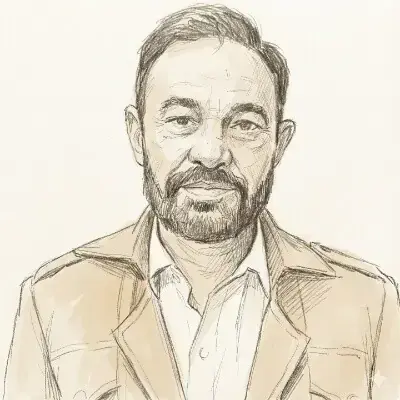
“The people of the conflict areas are exposed to high levels of violence,” said Dr Imdad Bashir, a consultant psychiatrist with the Just Peace International (JPI). He said they had so far seen 55 patients, including 20 women, who had got mental ailments due to the unending spate of terrorism. “About 25 patients belonged to Afghanistan.”
“Due to the prevalent uncertain situation, nobody knows who is doing what and to whom. People blame the army, the politicians, the Taliban and the US. Everybody is confused who is a friend and who’s a foe,” he said.
He said the JPI with the financial assistance of a Greece-based charity, European Union Perspective, had started two clinics in May, one each in Peshawar and Batkhela, to provide psychological support and medication to victims of violence.
Dr Bashir maintained that anxiety and mistrust had become common ailments among residents of the conflict zones. According to him, every third person in South and North Waziristan and the Bajaur Agency suffered from depression and many women and children brought to the city had complained of recurring nightmares of blood-splattered bodies and families living in destitution after losing their homes in the violence.
“The major dilemma is that people do not consider trauma a health concern,” said a psychiatrist at the SHPD. According to him, a 12-year-old girl brought to the OPD was suffering from anxiety and fear. She had witnessed a suicide bomb blast, he said.
“The problem is most of the patients are facing relapses, because the violence which causes them mental ailments persists,” Dr Bashir said. According to him, victims of violence needed regular psychological services, counseling as well treatment to help them overcome the trauma.
A JPI coordinator said patients were not visiting their clinic in Batkhela due to fear and frequent curfews. “We also plan to set up free psychiatric clinics in other areas fraught with conflicts.
“We also plan workshops in the violence-prone areas when the law order shows some signs of improvement. Now, people aren’t consulting psychiatrists because of the social stigma. So, public awareness is needed to inform the people that mental ailments require treatment, like other diseases,” he said.