0
0

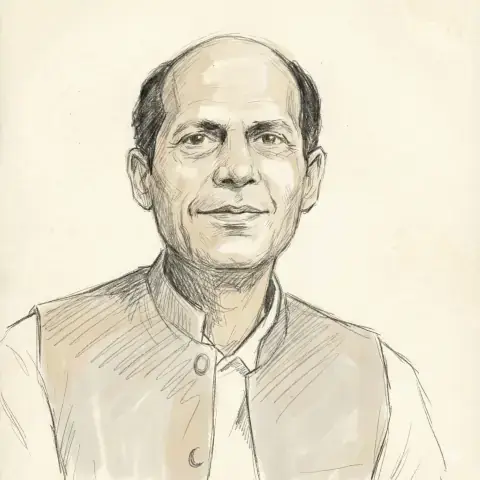
ISLAMABAD, Nov 15: Amendments made to the Army Act are meant to prevent army-specific crimes and will not be used to harass political leaders and workers, according to Attorney-General Justice (retd) Malik Mohammad Qayyum.
He said the law would not be used against lawyers, including Barrister Aitzaz Ahsan.
Referring to the situation in Swat and Wana, he said people involved in crimes against the armed forces in the areas would be tried by military courts while others facing terrorism charges would be tried by anti-terrorism courts (ATCs).
The attorney-general’s remarks came after a series of statements by international and local human rights groups and civil society organisations described the move as an attempt to expand the powers and jurisdiction of the military courts to try and sentence private citizens on charges that were not directly linked to violations of military-related affairs.
The Army Act originally contained a provision for thecourt martial of civilians but only in cases in which at least one of the accused belonged to the armed forces.
The attorney-general said the trial of civilians by military courts was not something new as the provision had been included in the Army Act through an amendment in 1967. “We have only enlarged the list of offences under which civilians can be tried by military courts,” he said.
He dispelled fears about any malicious intent behind the amendments, saying a wrong impression was being created that now military courts could try any civilian. “The Army Act Amendment Ordinance of 2007 is being misunderstood and its contents are being wrongly perceived.”
Malik Qayyum recalled that in 1975 a similar law had been challenged in the SC which had upheld it in the case of Brigadier (retd) F.B. Ali and others versus the state through a unanimous decision of a five-member bench.