0
0

HARARE, April 28: Zimbabwe’s economic crisis is likely to worsen despite new government efforts to cope with food shortages and a foreign currency crunch that has crippled farmers and business, analysts said on Saturday.
Measures unveiled by central bank Governor Gideon Gono are not enough to rescue the economy, they said, while drought and tensions before next year’s presidential election are likely to hamper the government’s recovery programme.
“The lack of policy consistency and cohesion shows growing signs of desperation,” said Best Doroh, a senior economist at ZB Financial Holdings. “Bold decisions are needed, but all we see is that they are just tinkering and avoiding the fundamental issues that need to be addressed because there’s a political element,” he added.
Once a prosperous agricultural exporter, Zimbabwe has inflation of 2,200 per cent, soaring poverty, high unemployment and chronic shortages of food, fuel and foreign exchange.
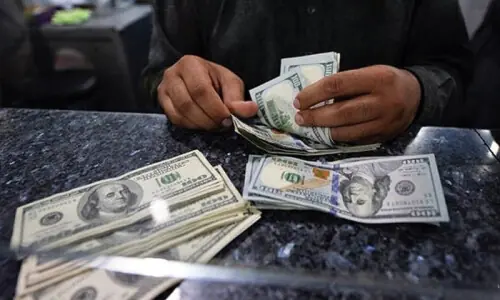
While insisting the central bank would not yield to calls to devalue the local currency, Gono said on Thursday that mining firms and exporters would be allowed to exchange foreign currency at 15,000 Zimbabwean dollars to the US dollar.
Doroh said delaying broader adjustments to the exchange rate would only fuel the thriving black market, where the Zimbabwean dollar was trading at about 100 times weaker than its official rate of 250 to the US dollar.
“The election is a challenge. When you’re approaching an election, political considerations tend to trump economic decisions, but one would hope that the economy gets priority,” said David Mupamhadzi, an economist with banking group ZABG.
Mupamhadzi said food shortages caused by the drought and low farm production would continue to fuel inflation, which hit 2,200 per cent in March.
Zimbabwe’s mining chamber, which says the skewed exchange rate had forced many mines to close, said Gono’s prescription was inadequate. “There’s absolutely nothing to be happy about.
Gold miners are closing down because the Reserve Bank owes them money. A lot of miners have not been paid since October,” said Jack Murewa, president of the chamber.—Reuters