



 0
0

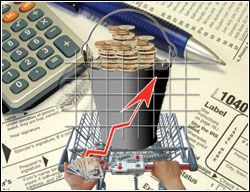 HIS 11th budget in a row and the last as the Chancellor, has earned Mr Gordon Brown both bouquets and brickbats. But going by the overall reaction it is safe to assume that the measures proposed by Mr Brown on Wednesday last for the next year’s budget for Breitain are more or less equitable, especially the ones concerning tax cuts.
Mr Brown expects to call for an election in two years time, but it could be earlier as well so what appears to be his first budget as the Prime Minister (He is likely to replace Mr Tony Blair sometime in June this year) is clearly intended to make inroads in the conservative constituency of his would- be opponent in any future election—David Cameron—by some significant tax-cutting activity.
Two per cent off basic rate of income tax; corporation tax cut from 30 to 28 per cent; inheritance tax threshold up to £350,000 from £285,000 in 2010; upper limit for cash ISAs raised to £3,600 per year; road tax on the highest-polluting vehicles raised from £210 to £300 to £400 from April 1 next year; diesel and unleaded petrol to go up by 2p a litre from October; education spending in England to rise by five per cent a year to £74 billion in 2010; 10 pence starter tax rate abolished; beer and cider up one per cent, wine five per cent, spirits duty frozen, 11 per cent on cigarettes; two per cent on petrol increase frozen for six months; more cash for hospitals.
The cut in basic rate tax will take effect in April 2008, when Mr Brown may be considering calling a snap election if the polls give him a reason to do so. Mr Brown also tried to demolish Tory plans for "green" taxes on frequent fliers and a new tax allowance for married couples.
Understandably the Tories have dubbed Gordon Brown's budget as a 'con-trick’. Dave Cameron, the Tory leader said the budget was a tax con, not a tax cut. George Osborne, the shadow chancellor, told the BBC Radio 4 Today programmed: ""Their income tax bill went up yesterday and I don't think listening to that budget they would have thought that.
In what was seen as the most eye-catching performance since Nigel Lawson in 1988, the Chancellor appeared to catch his Tory opponents sleeping with a promise to reduce income tax by two per cent next year - the lowest rate for 75 years.
But last night both the Conservatives and the independent Institute for Fiscal Studies claimed that many middle-class families and even lower earners would face higher bills.
Up to one family in five is likely to lose out, according to independent financial experts. While the Chancellor promised to cut the basic rate from 22 to 20 per cent, he also abolished the lower 10 pet cent starting rate.
It means taxpayers will start paying at 20 per cent in the pound, effectively doubling the rate of tax for those earning less than £15,000 a year.
The two per cent cut will cost the Treasury more than £8 billion a year but abolishing the ten per cent starting rate will save £7.3 billion and higher national insurance charges will bring in another £1.1 billion.
Chancellor Gordon Brown has rejected Conservatives' claims his budget tax changes amounted to a "con trick". Mr Brown said the reforms had simplified the system and were "in the best interests of the country" He told BBC Breakfast the average family would be £5 a week better off as a result of the income tax changes.
The Treasury claimed that by 2009, families with children would on average be £200 a year better off and a single earner couple with two children on £27,000 a year £500 a year better off.
The Confederation of British Industries (CBI) the UK’s influential group of business people in a comprehensive reaction to Brown’s budget for next year welcomed the cut in the headline rate of corporation tax. The Chancellor has clearly recognised the need to restore the UK’s international tax competitiveness, the CBI said.
CBI Director-General, Richard Lambert, said:
“By making this move the Chancellor has acknowledged the need for the UK to compete with the tax regimes in other developed countries in order to secure jobs and investment for the future. In particular the change will benefit those big profitable companies that might otherwise be thinking of shifting their activities to lower tax regimes.
“However the business sector as a whole will not be popping the champagne corks tonight.
"These changes will not initially reduce the overall burden of business taxes, and there will be losers as well as winners. Some big companies that for one reason or another don’t pay much tax will lose out. So will small companies that don’t invest much and so will not be able to benefit from the new capital allowances.
"Overall, the Budget is only a first step on a journey that will need to go further. The challenge for government now is to get a grip on public spending so as to create the headroom that will be needed for further tax cuts in the years ahead."
"The increase in fuel duty will not help UK haulers competing with foreign haulage companies paying much less."
The CBI regards the two per cent cut in corporation tax as a welcome first step. However, when combined with the changes in capital allowances, the changes appear only revenue neutral in the early years. While there are a number of sectors that will be clear winners, those with heavy capital investment requirements and lower profitability, may initially be affected negatively.
With tax competition becoming an ever more influential factor determining company decisions, the CBI believes we will need to see a reduction in the corporate tax burden across the board in coming years if companies are to view the UK as a truly attractive place to locate and invest.
The overall condition of the economy at present is undoubtedly satisfactory. Growth this year may well turn out to be the highest recorded in the G8 countries. This masks, though, concerns about the levels of taxation and spending that will matter even more as the competition that the UK faced ceases to be France and Germany and becomes China and India.






























