0
0

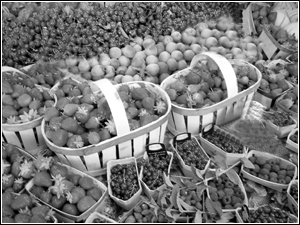 FRUITS, vegetables and pulses are an essential part of human diet. In the early days, they were taken just to satiate hunger and there was no concept about their nutritional value. Most of these items have now become part of our daily diet and their role in maintaining human health is indisputable. Yet the per capita consumption of fruits, vegetables and pulses in our society is perhaps the lowest in the world, due to their ever-rising prices and personal preferences of the people.
A large number of stone fruits and non-stone fruits are grown in various parts of the country, which are also the source of livelihood of many. They are not only consumed within the country but are exported and are a source of foreign exchange earnings. The food industries engaged in processing fruits and exporting them employ a large number of people.
Fruits are source of water, amount of sugars, mineral salts, carbohydrates, pectin and plenty of cellulose that are beneficial to human health. They also have a chain of vitamins that are important for growth and health. Fruits like orange, guava, papaya, tomato, mango, banana, pineapple, melon and water-melon are not only good in taste, but also very nourishing and source of various vitamins.
Papaya, tomato and mango are rich sources of carotene – a yellow or red colour pigment – that human can convert into Vitamin A.
Fruits also provide ascorbic acid, a cure for scurvy, and are helpful in heeling wounds. Fruits are source of mineral salt and vitamins. Deficiency of thiamine causes beri-beri, and of nicotinic acid results in pellagra in maize-eating people. By supplementing diet with fruits – a source of Vitamin B – these diseases can be avoided. Deficiency of B1 results in anaemia, and of Vitamin-C bleeding of the gums.
Deficiency of Vitamin-A can cause exophthalmia in which the lining membrane of the lid and the eye-ball gets thickened and dry. Deficiency of Vitamin-D causes not only rickets in children but also softening of bones in adults, called ‘steomalacia’. Deficiency of iron causes pernicious anaemia. Fruits have the vitamins to provide remedy against these diseases. Thus importance of fruits, whether green or tinned, is indispensable and they should form a part of our daily diet.
Vegetables: Like fruits, vegetables also provide mineral salts, vitamins and other food substances. The leafy vegetables like spinach, lettuce and cabbage, cauliflower, carrots, potatoes, yam, onions and garlic provide hordes of medical benefits and lend palatability to our dishes at the same time.
Soya bean is a rich source of protein called `Glycinin’ and thiamine and are widely eaten for their protein in countries like China, Japan, Malaysia and Singapore. Soya bean is also eaten as a vegetable and the seed is a major source of edible oil
Cucumbers and tomatoes are eaten raw and are also mixed in ‘salads’ all over the world. Potatoes provide carbohydrates and `tuberin’. Lettuce and cabbage provide iron, carotene and thiamine. Legumes of pea and other vegetables are the cheapest source of protein. But the per capita availability and consumption of vegetables in our country is perhaps the lowest due to our deitic habits and spiralling prices from one season to another. Even the poorest person hankers after meat, mutton and poultry products, although vegetables provide low biological value proteins, yet the vegetables can be a good substitute for us all, who can not afford to have meat daily.
Pulses: Pulses are the dried seeds of various plants that are grown for their grain-like beans, lentils, peas, gram that produce pods and are harvested and dried for food. Pulses, because of their nutritive value, are some times called the `poor man’s meat’. They are a good source of protein for vegetarians. Some people believe that pulses are only for patients, which is based on their lack of knowledge about the nutritive value of pulses.