



 0
0

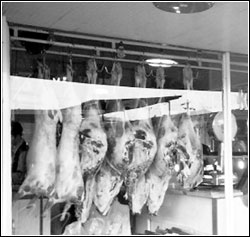 MEAT and other animal food such as milk make a valuable contribution to diet. As a concentrated source of protein, meat is not only of high biological value but its amino acid composition complements cereals and other vegetable proteins.
It is also a good source of iron, zinc and several B vitamins, while liver is a very rich source of vitamin A. It is also a good source of fats essential for the caloric requirements of a body.
However, proper guidelines are necessary for preventing the harmful effects of meat because it becomes a source of various diseases.
A major cause of death is coronary heart disease (CHD) and saturated fatty acids are stated to be an important dietary risk factor. Since about a quarter of the saturated fatty acids in the diet is supplied by meat fat, consumption of meat itself has come under fire. In the first stage it narrows the coronary arteries and in the fatal stage the formation of a blood clot causes blockage of the artery circulation.
Dietary guidelines sometimes include advice to substitute, at least in part, chicken for red meat (beef and mutton). Chicken meat including its skin contains about the same amount of fat as does medium-fat red meat, 20 per cent. It is necessary to remove the skin with the adhering subcutaneous fat, to reduce the fat content to around five per cent - which is no lower than the figure for lean meat.
However, chicken meat has less saturated fatty acids (33 per cent of the total) and more PUFA (14 per cent) than lean meat with 45 per cent and four per cent, respectively. Duck flesh contains about 10 per cent fat but 45 per cent when the skin and subcutaneous fat are included; only 27 per cent of duck fat is saturated.
Toxic compounds: While cooking is necessary to develop the desirable flavours in meat (as well as to destroy harmful organisms), oxidation of fats, especially at frying temperatures, can give rise to compounds that decompose to aldehydes, esters, alcohols and short chain carboxylic acids with undesirable flavours. Meats are particularly susceptible because of the unsaturated lipids, which are more readily oxidised, and because of catalysis by haeme and non-haeme iron.
The adverse effect of these oxidation products is well recognised but more recently it has been suggested that some of them may be carcinogenic, and may be involved in the ageing process and CHD. However, it is possible that the unpleasant flavours would cause rejection of food at levels below harmful ranges. Cholesterol can also be oxidised and the oxidation product has been suggested as a possible factor in CHD.
Residues of drugs, pesticides and agricultural chemicals can be found in small amounts in meat and meat products. Pesticides, for example, may be applied specifically to animals to control insects or intestinal parasites but may also be present in meat as a result of exposure to chemicals used on buildings, grazing areas and crops. While there is no clear evidence that these small amounts cause harm to the consumer, they are perceived as a risk.
For this reason there is widespread legislation to test for and control a range of chemical substances that may be present in meat. The problem is complicated because several hundred substances are used to treat animals, to preserve their health and to improve animal production. These include antimicrobial agents, anthelmintics, tranquillisers, anti-coccidial agents, vasodilators and anaesthetics. Potential safety problems arise from the possibility of residues of these drugs and their metabolites remaining in the tissues (and milk) consumed by human beings.
They can persist in the human body so that repeated intakes could possibly result in accumulation of the drugs. There is no doubt that administration of drugs to animals (and birds) is a potential risk to human health.
Conclusion: Meat is not an essential part of diet but without animal products it is necessary to have some reasonable knowledge of nutrition in order to select an adequate diet. Even small quantities of animal products supplement and complement a diet based on plant foods so that it is nutritionally adequate, whether or not there is informed selection of foods.
Side by side with these known benefits of meat and meat products, there are problems associated with excessive intakes of saturated fats, risks of food poisoning from improperly processed products, residues of chemicals used in agriculture and animal production.
Within these concepts is the major problem of meat production under conditions that avoid food poisoning and satisfy the economic demands of profitability with the traditional, cultural and religious concerns of the community in question.
There is a steadily increasing demand for meat in the developing countries. It is thought that the major increase in domestic production will come from small producers rather than from creating large production units but these lack the essential facilities for producing safe and wholesome products.
If there is to be a significant increase in meat production it will require clear policy decisions. There is considerable potential for increased supplies through better management, selection of animals, avoidance of waste and making use of indigenous species.






























