0
0

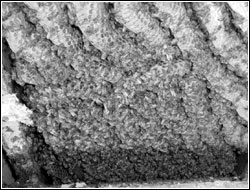 HONEYBEES are social insects that live in hives and feed on pollen and nectar. Bees carry pollen thus enabling plants to produce seeds.
A beehive needs only 20-30lbs of honey to survive winter. One hive produces 60lbs of honey in a season. Nectar serves as the bee’s source of energy, and pollen as a source of protein. The larvae are fed with the bee’s milk, derivative of a gland of young adult worker bee.
Honeybees travel as far as 55,000 miles and visit more than two million flowers to gather enough nectar to make a pound of honey. The insects perform several ecological and economic functions without competing for scarce land resources. The best time for beekeeping is from October to November and in the spring season.
Pakistan is now able to export prime quality produce at competitive price. Around 240,000 colonies of honeybee are available in all the four provinces and Azad Kashmir. The yield of honey per colony has increased from 4kg to 21kg, while the total production has increased from 250 tons to 2,500 tons.
Honey production is a profitable business. The NWFP produces some of the world’s best quality honey.
In the Northern Areas and the NWFP there are over 6,000 honey colonies. The NWFP region is a focal point in the origin and evolution of honeybees.
Modern intensive agriculture with its diversified cropping patterns and orchards is becoming popular. The current agricultural transformation offers scope for income generation through beekeeping which is also an environmental-friendly activity with off-farm employment and income opportunities.
The colour of honey varies from clear and colourless (like water) to dark amber or black. Various shades are yellow amber, bright yellow (sunflower), reddish undertones (chestnut), greyish (eucalyptus), and greenish (honeydew). The most important aspect of colour lies in its value for marketing. Darker shades are for industrial use, while lighter are marketed for consumption.
The honeybees are important to farmers in maintaining natural vegetation as they transfer pollen among flowers. Honeybees are kept in large cities and villages, on farms and rangelands, in forests and deserts, from the Arctic and Antarctic to the Equator. They are not domesticated.
Humans also utilize some of their products, such as honey; wax sometimes royal jelly (the food given to the queen bee when she is in the larval stage). Even their venom is sometimes used in arthritis.
Bacteria cannot live in the presence of honey because of potassium, iron, copper, manganese, silica, chlorine, calcium, potassium, sodium, phosphorus, aluminium and magnesium. Honey varies in mineral contents due to different soils.
Melanin, a brown or black substance found in the skin of humans is also contained in the soil and earth. It gives life to plants and can bind and release most elements and minerals including calcium, iron, sodium and zinc. The essential minerals such as copper, iron and manganese seem to be in larger quantity in dark honeys than in light. From a nutritional standpoint, iron is important because of its relation to blood colour, or oxidized haemoglobin, which is red. We build haemoglobin out of our food. Copper unlocks the therapeutic powers of iron by restoring haemoglobin content anaemic patients.
Honey is taken as medicine, food or as an ingredient in various food recipes. It is an excellent medium for vitamins and contains all vitamins necessary for health. It is composed of sugars fructose and glucose by providing the calories.
Honey improves food assimilation and is useful in intestinal problems such as constipation, duodenal ulcers and liver disturbances. It is a remedy for cold, mouth, throat or bronchial irritations and infections. Honey is also used in moisturizing and nourishing cosmetic creams and is directly applied on wounds, sores, bedsores, ulcers, varicose ulcers and burns.
It helps against infections, promotes tissue regeneration, and reduces scarring. If applied immediately, honey reduces blistering of burns and speeds up the regeneration of new tissue.