0
0

ISLAMABAD, June 30: The WTO member countries will have to develop consensus on 760 areas of disputes in the farm and industrial goods negotiations otherwise the four-and-a-half-year-old Doha round is perilously close to failure, officials and analysts told Dawn.
Trade ministers from developed, developing and least developed countries (LDCs) now in Geneva deliberating upon the draft texts on agriculture and non-agriculture market access (NAMA) released recently are expected to narrow differences on the disputed areas by July 2, 2006.
The original draft of the ‘Seattle Ministerial Conference’ proposal, which ended in collapse had only 402 areas of disputes.
A senior official told this scribe that the texts released by the chairs on agriculture and NAMA committees did not contain any thing new and the member countries also lack consensus on cutting subsidies and tariff issues.
The success of the meeting depends on the European Union (EU) commitment to increase its offer from initial 39 per cent cut in tariffs on agriculture products to a reasonable level; the US offer for cutting all its farm subsidies, which is expected to be around 54 per cent, and the bigger developing countries like Brazil, India, China and South Africa have to give better offers for cutting tariffs on industrial goods, the official added.
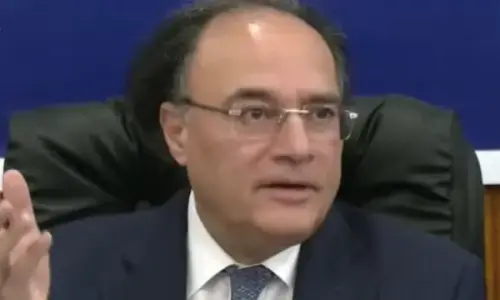
Commerce Minister Humayun Akhtar Khan, leading a high-level official delegation, was representing Pakistan at WTO mini-ministerial meeting.
According to the official, the rich countries wanted the developing countries to make concessions on industrial tariffs, while developing countries wanted to see bigger cuts in farm subsidies that rich countries pay to their producers.
The Hong Kong Ministerial held in December 2005 failed to deliver on crucial issues such as agricultural subsidies and tariff and non-tariff barriers. There was no consensus on tricky issues like the quantum of cuts in domestic subsidies in agriculture or a tariff reduction formula in both agricultural and NAMA. These issues are crucial for developing countries. In terms of effecting a significant correction in the imbalances in world trade, Hong Kong (HK) barely scratched the surface.