0
0

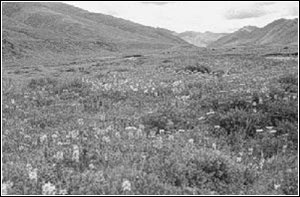 PLANT diversity is recognized universally as a vital part of the world’s natural heritage and as the most essential living source on this planet and considered as key component for the global environmental sustainability. The present era has been of significant biological extinction due to loss of various habitats of plants arising primarily from human interference for his materialistic needs.
Human activities are causing widespread changes in the species composition of natural and managed ecosystem. Changes in species composition have the greatest ecological effects when they modify the ecological factors that directly control (and respond to) ecosystem processes.
Ecological study indicates that flora of this valley comprise 19 leguminous species along with some non-leguminous plants. The species were classified on the basis of their frequency ranges in selected study sites. Acacia modesta was the most common plant of this valley and was the only species which grows in almost all sites and categorized as very abundant followed by Medicago laciniata and Vicia sativa grouped as the abundant plant species.
On the other hand, Acacia farnesiana, Dalbergia sissoo and Mehlotus indica were the frequent species and Albizzia lebbeck was categorized as occasional one Acacia hydaspica, Acacia nilotica, Argyrolobium stenophyllum, Medicago polymorpha, Melilotus albs, Pr osopis glandulosa, Prosopis juliflora, Prosopis spicigera, Rhyncohsia minima, Sophora mollis, Trigonella monantha and Vicia monantha formed a group of rare species.
According to nutritional status of plants species for grazing livestock, out of 19 leguminous species only Sophora mollis was poisonous while, all others were nutritive and palatable, and were being used for grazing livestock. However, classification according to proximate analysis indicated that maximum energy was possessed by Acacia modesta which was closely followed by Albizzia lebbeck among the woody species.
While Vicia sativa and Medicago polymorpha had maximum energy among herbaceous species closely followed by Vicia monantha. Other studied plant species also had a reasonable supply of energy; however, they failed to compete with the above mentioned plant species regarding this parameter.
On the basis of chemical analysis for macro and micro nutrients plant species can be grouped into three categories; those with maximum, medium and minimum nutrients in their different parts. Acacia modesta contains highest quantity of macro and micro nutrients necessary for its optimum growth as well as for livestock nutrition.
A reasonable amount of these nutrients is present in other species. Biochemical analysis of leaves and pods indicated that top value of soluble protein was maintained by Acacia modesta while minimum in Medicago polymorpha.
Similarly, total amino acids were higher in Acacia modesta and Albizzia lebbeck Phenols are toxic for plants as well as for livestock. Acacia farnesiana contained the lowest phenolic contents in leaves and Acacia modesta was successful in maintaining the lowest phenol concentration in its pods. Due to low phenolic content,these species are better for grazing livestock, human consumption and medicinal use.
Observation about the possible threats showed that the flora of Soan valley (Pakistan) is under severe danger of loss of biodiversity due to water deficiency (low rainfall) consequently lowering the water table of the soil in this area. Heavy and uncontrolled grazing, cutting of trees and shrubs for forage/fodder, fuel and for timber purposes are also the serious threats.
Natural and accidental fires by illegal honey hunters/local herd’s men are also playing significant role in eliminating the rare plant species in this valley. Official surveys by representatives of the government and different NGO’s of Pakistan have also identified the above mentioned threats to plant diversity and they are trying to save the plant diversity of this area.
To save and protect the plant diversity of this region, it is urgently required that unlawful cutting and over grazing should be banned. The government and inhabitants should take proper precautionary measures to save the plant community of this area.
The inhabitants should be educated about the importance of the plants of this area. The low rainfall deficiency can be compensated up to some extent by providing funds to store water by constructing small dams in the valley.
Similarly if the inhabitants of the valley are not provided some alternate sources of fuel, forage/fodder and timber the prevailing disturbances will soon wipe out the remaining patches of natural vegetation and their maintenance in a rich condition will become entirely impossible.