0
0

Acts of savagery
The bomb blast in a Sialkot mosque during Friday prayers has sent shock waves throughout the country. The incident in which 25 worshippers were killed and several others injured followed the same pattern as the earlier suicide attacks that have become a common occurence in Pakistan.
As in two shocking incidents in Karachi in May, a bomber entered the Imambargah during prayers and reportedly blew himself up along with several worshippers who became victims of this act of blind fanaticism. There have been the usual expressions of condemnation from the highest quarters, the usual promises of not allowing the culprits to escape punishment and the usual public protest from frustrated mobs going on a rampage giving vent to their despair and anger. But as has happened before, nothing much will come out of all this as the hapless victims of Sialkot, along with those of the Ali Raza and Hyderi mosques of Karachi and the Ashura procession in Quetta, will be reduced to mere numbers in the history of sectarian violence in Pakistan.
Will this madness ever end? All the reactions from official quarters, civil society groups, human rights agencies and the public notwithstanding, the curse of sectarianism has begun to eat into the fabric of our public life. Mercifully the interpersonal relationships in society are unaffected by the sectarian violence and hatred which obscurantist elements have created and nurtured. That would explain why fanatics with their own agenda for jihad consider it necessary to kill members of other sects. That would also explain why religious leaders do not stand up and join hands across the sectarian line to condemn an incident when it takes place. The government, which is complacent about inter-sect harmony at the popular level, plays down the sectarian dimension and takes such incidents as plain law and order problems to be handled in the wider context of its war on terrorism. And that is the reason for the growing despair and despondency among the people in the face of the ever present threat.
The fact is that the government will have to adopt a more meaningful approach to sectarian violence. At one level it is a crime which calls for effective law enforcement, modern methods of investigation, adequate protective and preventive measures and deterrent punishment for those proved guilty. But at another level, there is need to look into our approach to religion which now determines our politics, economics, education policies and social relationships in some cases. Thus, the seeds of sectarian hatred have been sown with results that are there for all to see. It is time the government and the religious parties made a concerted effort to promote greater understanding and harmony between the sects, specially among the religious leaders whose hold on the people continues to be strong.
One hopes that the jihadi groups that preach sectarian hatred will be rooted out, which regrettably still hasn't been done, in spite of the official ban on some of them. They are known to operate freely under different names and carry on their despicable activities with the knowledge of the authorities. It is time the government addressed this problem more seriously and methodically and devised ways and means to halt this orgy of sectarian killing in the country.
Checking price hikes
The official announcement that ministers will visit bazaars during Ramazan to ensure that there are no price hikes is good as far as it goes. However, more than visits are needed to keep prices in check.
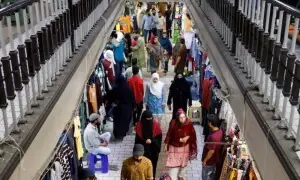
Already, rates of many commodities in the market in the run up to the holy month have registered increases. The fear is that a further spurt will be witnessed during Ramazan. Prices of most vegetables and fruit have risen over the past few weeks despite an adequate supply available and no shortages reported from anywhere. This is a clear case of profiteering by large sections of wholesalers and retailers.
The government has tried to lessen the burden by supplying 200,000 tons of sugar to the market and also further slashing rates of consumer items at the Utility Stores. At the same time, it should take notice of the prevailing situation in markets all over the country and try to enter into some understanding with the representative bodies of the traders on maintaining the normal price level during Ramazan. Where called for, magistrates should also initiate raids to check prices as well as to maintain the quality of items being sold in the market.
It would not be fair to hold the government alone responsible for checking the rise in prices during Ramazan. The public too must play a part through consumer resistance and not allow the profiteers to have their way. In this regard, consumer awareness on such issues as price and quality must be raised by NGOs which are usually quite vocal on public issues. This can be done with the help of the mass media so that people understand why they should not give in to shopkeepers asking for prices higher than the regular rates. If this is done, prices will remain at their correct levels. Unless both the government and the consumers cooperate in this effort, the whole exercise to check the price hike will prove futile.
Welcome rain
The rain in large parts of the country on Friday and Saturday is very welcome. Not only has it come after an elusive monsoon, its arrival seems to herald a change of season, at least if the temperature is something to go by. The other good thing has been that it might help, to some extent, the expected water shortage facing Sindh alongwith other parts of the country.
Residents of Karachi particularly seem to be in for some thirsty times ahead since the reservoirs that supply the city's water have not been replenished at all because it did not rain during the customary monsoon months of July and August. Also, since it has not rained torrentially, Karachi's roads have not turned into the veritable lakes they usually do whenever it rains heavily, or at least that has not happened yet. However, reports of widespread power breakdowns and telephone faults do indicate that even moderate rainfall can play havoc with the basic utilities in the city.
There is one thing ominous about the rain though and that has to do with the fact that, according to the meteorological department, it has happened because of a cyclone system headed for Sindh's coastal areas from the direction of the Arabian Sea.
Fishermen and owners of trawlers and other ships have been warned not to venture into the sea over the weekend and a press note has been issued by Badin's district coordination officer asking people to stay indoors. Given that newspapers are not read widely in the coastal areas, it would be a good idea if such warnings were also issued over radio and television, especially PTV.
However, at least for the harried residents of Karachi and the drought-striken people of Thar, with not much particularly to rejoice in the recent past, the rain and the accompanying change of weather has come as a pleasant surprise.