0
0

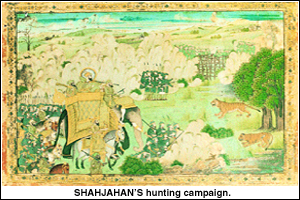 KARACHI, April 4: A Mughal painting of Shahjahan’s period has been put on display as object of the month at the National Museum , says a press release.
The painting shows a hunting scene. Shahjahan, the Mughal emperor, is sitting on an elephant along with a feelban and an attendant. A large number of army personnel are spread all over the jungle, perhaps chasing wild animals.
The press release adds that Mughal paintings ingeniously combine the ancient Indian technique of perspective with that of contemporary western arts.
The painter tried to suggest space by depicting figures simultaneously at eye level and from above, the direct view and the hierarchical perspective, placing figures in their order of importance and giving a kind of bird’s eye view of the scene.
By means of cliff rocks and buildings, certain figures are brought into the foreground and others set in the distance. This type, with the combination of European style of receding background, helped to give Mughal miniatures their perspective.
The drawing of cliffs, buildings and trees replaced in the 17th century by grouping of minor characters arranged in semicircular form, leaving a distinct space for the figure. All the persons in the painting are connected by gesture, facial expressions and proper positioning and a harmonious balance is maintained in the composition.
The features of the faces are portrayed from different angles. The costume consists of fitted trousers tied with a thick thread at waist, a long-full-sleeved coat, a turban and saleemshahi shoes.
The painting shows tremendous use of gold — lavishness of decoration and static quality. The outlines of figures is less visible than in other schools.