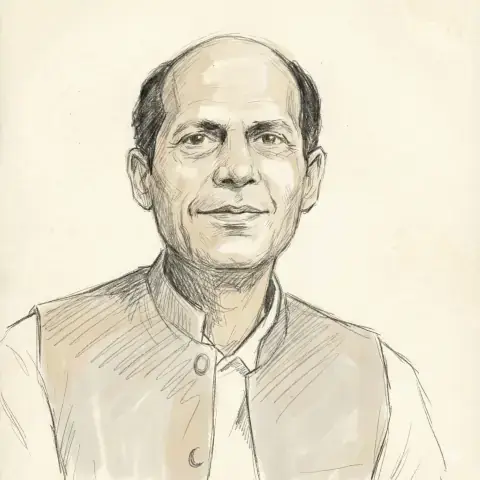
ISLAMABAD, Oct 22: The Chairman of the Joint Chiefs of Staff Committee, Gen Tariq Majid, has observed that the armed forces have to be prepared for a wide range of threats in the wake of an emerging geostrategic environment where non-traditional security threats were taking centre-stage.
He was delivering a key-note address at the inaugural session of the 12th Asean Regional Forum, Heads of Defence Institutions Meeting on ‘Military Operations Other Than War’ at the National Defence University on Wednesday.
Gen Majid said the space for traditional application of military instrument was shrinking and even in the Subcontinent with a nuclear overhang, non-traditional force application had gained primacy.
He spoke on the conceptual dimensions of military operations other than war and established their relevance to the requirements and experiences of the region. He also gave an overview of Pakistani perspective and experience of some key operations, focusing on the ongoing campaign against terrorism and violent extremism, and management of one of the most devastating earthquakes of Oct 2005 in Pakistan.
The CJCSC said that in a world driven by increasingly complex unconventional security challenges, reliance on conventional strategies was unlikely to serve the national, regional or trans-regional interests.
He said the challenge was how to adjust doctrines, concepts, force structures to a changing environment.
“Our greatest vulnerability today is trans-national, sub-conventional threats and recurring natural disasters which usually require multinational cooperation to manage”.
Gen Majid added: “The current global security agenda, which affects several countries of the region simultaneously, also demands a collaborative approach. There is therefore, a need to explore and develop ways and means to cooperate bilaterally and multilaterally in various areas, including intelligence and information sharing, capacity building, training programmes, consequence management, sharing experience on legal aspects and even developing an institutionalised mechanism on regional basis for dealing with non-traditional security threats.”
Apart from delegates from member countries, a large number of defence attaches, representatives of international and regional organisations, various ministries and local think tanks are attending the two-day meeting.