Pakistan pitches textiles amid new US tariffs
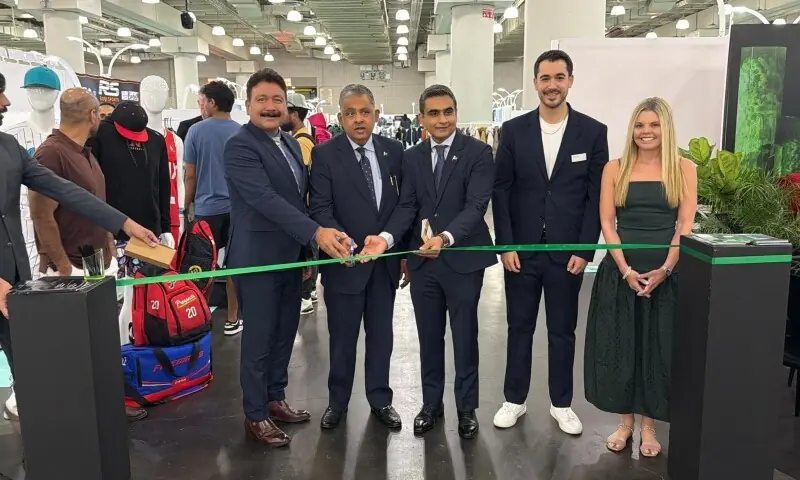
NEW YORK: Pakistan is using one of North America’s largest textile sourcing exhibitions to strengthen its position in the US market as exporters confront new American tariffs and rising production costs amid growing regional competition.
The Pakistan Pavilion at Texworld New York City 2026 opened on Wednesday at the Jacob K. Javits Convention Centre, where five manufacturers are showcasing home textiles, apparel, leather garments, sportswear, gloves and other value-added products for buyers from across the US and overseas.
Organised by the Trade Development Authority of Pakistan (TDAP) in collaboration with the Trade and Investment Wing of Pakistan’s Consulate General in New York, the pavilion showcases A1 Infinity, MRI Group, Hometex Corporation, Ruqi Sports and Niza Sports.
Speaking at the opening ceremony, Pakistan’s Ambassador to the US, Rizwan Saeed Sheikh, described the textile sector as “the backbone of Pakistan’s export economy” and reaffirmed the government’s commitment to expanding exports and to strengthening commercial ties with the US.
10pc duty could cost exporters $2 billion
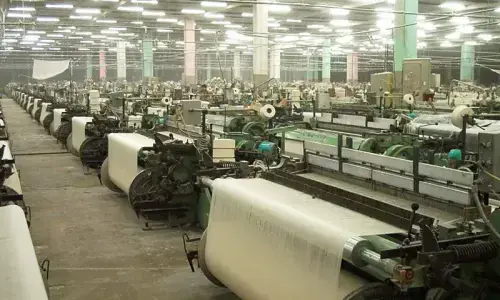
Textiles and apparel account for the overwhelming majority of Pakistan’s exports to the US, while the remainder includes rice, leather products, surgical instruments, sports goods and other manufactured items. Ready-made garments, knitwear and home textiles remain the country’s leading export categories.
Pakistan’s participation comes less than a week after the Office of the US Trade Representative imposed a new 10pc ad valorem tariff on Pakistani imports under Section 301, effective July 24.
The measure followed a US investigation into enforcement of forced-labour import prohibitions in 60 trading partners. While acknowledging that Pakistan legally prohibits forced labour, the USTR said enforcement needed to be strengthened, placing the country among those subject to the additional duty.
The tariff follows months of uncertainty over US trade policy. Earlier this year, Washington proposed reciprocal tariffs of up to 29pc on Pakistani goods before negotiations reportedly lowered the baseline rate. Exporters fear that the latest duties, combined with rising domestic production costs, could erode Pakistan’s competitiveness in its most important export market.
Analysts estimate the new tariff could reduce Pakistan’s textile exports by about $564m in FY26, with losses potentially exceeding $2 billion if American buyers shift sourcing to lower-cost suppliers.
Pakistan already faces strong competition from Bangladesh, India, Vietnam and China while domestic manufacturers continue to contend with high energy prices, expensive financing, rising taxes and logistics costs.
Published in Dawn, July 31st, 2026