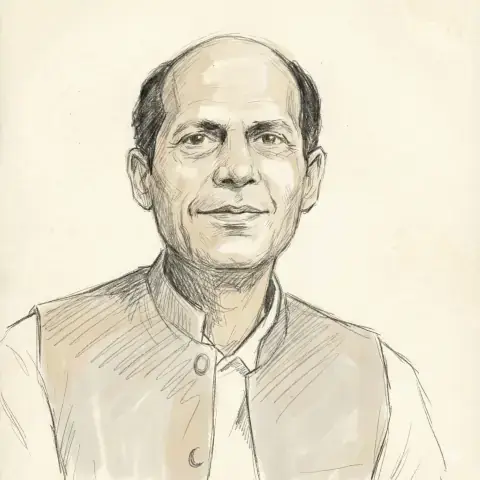
• At SCO moot, minister calls for comprehensive regional strategy to tackle transnational crime and security risks
• Islamabad to host next summit
ISLAMABAD: Interior Minister Mohsin Naqvi on Friday reaffirmed Pakistan’s commitment to the “Shanghai spirit” and called for a joint strategy among SCO member states to counter terrorism, organised crime, drug trafficking, cybercrime and terror financing.
Mr Naqvi said this at a special meeting of the ministers of interior and public security of the Shanghai Cooperation Organisation in Bishkek, Kyrgyzstan.
He said the region faced “serious and complex security challenges” that were interconnected, noting that criminal and terrorist networks were rapidly adapting to technological advancements, exploiting artificial intelligence, digital platforms, online networks and cryptocurrency transactions to expand their activities.
The interior minister emphasised the importance of modernising institutional coordination and enhancing intelligence-sharing mechanisms across the region to tackle these threats.
Shared threats demanded shared solutions, Mr Naqvi told the delegates, further calling for a comprehensive regional strategy to tackle transnational crime and emerging security risks.
Highlighting Pakistan’s commitment to the principles of the SCO, he said: “Pakistan fully adheres to the principles of the Shanghai Spirit, which is based on mutual trust, equality, cooperation, and respect for sovereignty.”
He further stated that Pakistan had rendered “unparalleled sacrifices” against terrorism and continued to strengthen its security architecture to address evolving threats.
Under the National Action Plan, he said, Islamabad had strengthened intelligence coordination, border management and anti-money laundering measures. “These initiatives have significantly strengthened the country’s capacity to combat terrorism and organised crime.”
He called for more effective cooperation under SCO’s Regional Anti-Terrorist Structure for intelligence sharing, joint threat analysis and countering online radicalisation and extremist propaganda.
Pakistan, he said, fully supported workshops and expert exchange programmes building collective capabilities.
Turning his attention to cybersecurity, he said cyber intelligence and digital forensics cooperation were “the need of the hour” and noted that technological advances had created new opportunities for criminal organisations and terrorist groups.
On the issue of narcotics trafficking, he warned that the illegal drug trade remained a major source of terror financing. He called for a coordinated joint strategy against drug trafficking networks, online criminal operations and illicit financial flows facilitated through digital currencies.
Pakistan’s Anti-Narcotics Force, he said, remained actively engaged in SCO-led counter-narcotics initiatives and stood ready to deepen cooperation with partner countries.
He said border security was a key to regional peace and stability and stressed greater cooperation on preventing the use of forged documents for travelling, watch-list coordination and human smuggling.
He also said that stopping terror financing was among Pakistan’s key priorities, adding that the country had reformed its anti-money laundering regime and that the country’s enhanced financial monitoring framework was playing “an active role” in detecting and preventing illicit financial activities.
Moreover, strong regional cooperation was indispensable for dismantling terror financing networks, he said, emphasising that no country could effectively confront transnational threats in isolation.
“Our challenges are common, so our efforts must also be collective and coordinated,” Mr Naqvi said. “The common goal of our joint efforts is a peaceful and secure SCO region.” Mr Naqvi said that Pakistan looked forward to welcoming participants at the SCO summit in Islamabad in 2027.
Published in Dawn, June 6th, 2026