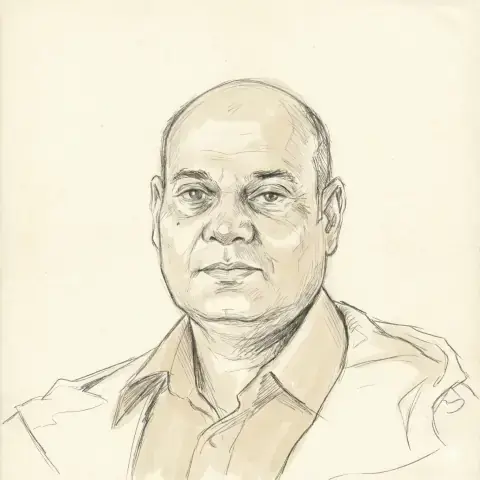
ISLAMABAD: Minister In-Charge of the Establishment Division Senator Ahad Khan Cheema in a written reply to the National Assembly said that lack of proper preparation and high number of applicants for a limited number of seats were the main reasons for a large number of failures in Central Superior Services (CSS) exam.
“There were an average of 125–133 candidates for each CSS vacancy,” he said , adding the number of vacancies per year on average are 200–225 against 25,000–30,000 applicants.
The question was raised by PPP MNA Sehar Kamran who had asked about the mechanism, criteria and process of the civil service examination for induction of civil servants along with the reasons for the high failure rate in the examination.
She also inquired if the existing examination system is aligned with international testing standards. The reply attributed the high failure rate in the CSS examination to weak academic preparation, poor analytical skills, low comprehension levels, and the highly competitive nature of the recruitment process for Pakistan’s civil services.
According to official details, induction into federal civil services is carried out through the annual CSS examination conducted by the Federal Public Service Commission (FPSC) for recruitment into 12 occupational groups and services.
These are Pakistan Audit and Accounts Service, Commerce and Trade Group, Foreign Service of Pakistan, Information Group, Inland Revenue Service, Military Lands and Cantonments Group, Office Management Group, Pakistan Administrative Service, Pakistan Audit and Accounts Service, Pakistan Customs Service, Police Service of Pakistan,Postal Group and the Railway Group.
It added that the CSS examination comprises four stages, including the MCQ-Based Preliminary Test (MPT), written descriptive examination, psychological assessment and viva voce.
Final merit is determined on the basis of aggregate marks obtained in the written examination and interview, subject to qualifying thresholds.
The government said candidates are required to secure at least 40percent marks in compulsory subjects, 33 percent in optional subjects and 50 percent aggregate marks in the written examination, while failure in any single subject results in disqualification.
The reply revealed that a significant number of candidates fail in compulsory English Essay and English Precis & Composition papers due to weak academic background, poor analytical ability and inadequate understanding of essay topics.
The report further noted that many candidates fail to present arguments in a coherent and logical manner, while weak comprehension and poor written expression remain major concerns.
Examiners observe that the standard of responses was often below the expected graduation level.
Authorities also identified wrong selection of optional subjects, excessive reliance on coaching academies and appearing in examinations without substantial preparation among the major reasons behind low success rates.
The reply to NA maintained that CSS remains a highly competitive examination aimed at selecting the best possible candidates for civil service.
It added that the structure of Pakistan’s civil service examination is broadly aligned with regional models, including India’s UPSC and Bangladesh Civil Service examinations.
The CSS syllabus, last revised in 2016, is once again under review.
The ‘Civil Services Reforms Committee’ is examining the overall structure of CSS examination system for possible improvements.
Published in Dawn, May 17th, 2026