• In a phone call with Armenian FM, Dar signals readiness to establish ties
• Warns Taliban govt in Kabul that railway link via Afghanistan hinges on security assurances
ISLAMABAD: Pakistan on Friday signalled its readiness to recognise Armenia as a sovereign state, more than three decades after it declared independence in 1991.
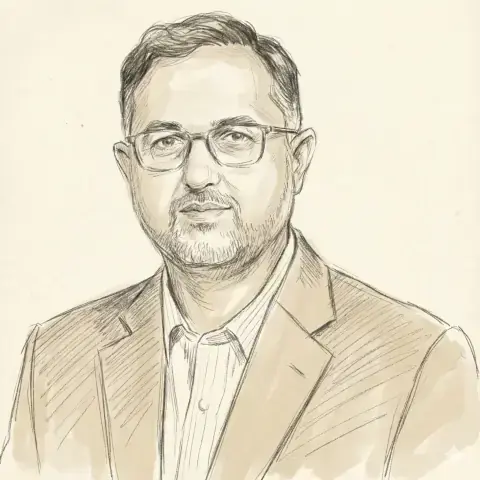
The message was conveyed by Deputy Prime Minister and Foreign Minister Ishaq Dar during a phone call with Armenian Foreign Minister Ararat Mirzoyan.
Following the conversation, Dar posted on X: “Foreign Minister of the Republic of Armenia, H.E. Ararat Mirzoyan and I held a cordial conversation on phone today, and agreed to consider establishing diplomatic relations between Pakistan and Armenia.”
The call followed weeks of internal deliberations at the Foreign Office. A senior official earlier told Dawn that the ministry was “re-examining the question of relations with Armenia in the light of recent positive developments.”
Pakistan had been the only UN member state that withheld recognition of Armenia’s sovereignty since 1991, citing solidarity with Azerbaijan in the Nagorno-Karabakh conflict. Pakistan also does not recognise Israel, as well as two non-UN members, Taiwan and Kosovo.
The August 2025 peace agreement, signed under US mediation, ended decades of conflict between Armenia and Azerbaijan and normalised their borders. For Islamabad, the accord removed the central obstacle to recognition and opened prospects for trade and connectivity across the South Caucasus.
“There is no longer any reason to withhold recognition of Armenia,” Dar told reporters at a news conference, adding: “We hope to do it on a fast-track basis.”
Pakistan had long refused ties with Yerevan not only out of support for Baku’s position on Nagorno-Karabakh but also because officials often drew parallels with India’s control of Kashmir, arguing recognition of Armenia could weaken Pakistan’s stance by signaling acceptance of territorial changes through force.
In contrast, Azerbaijan has maintained full diplomatic ties with India since 1992, with bilateral trade reaching $1.44 billion in 2023.
Turkey’s influence was also a major factor in Pakistan’s Armenia policy. As part of the Turkey-Pakistan-Azerbaijan partnership, Islamabad aligned itself with Ankara’s anti-Armenian stance, including denial of the Armenian genocide and strong backing for Azerbaijan. The three countries maintain close defense and economic ties, including Azerbaijan’s $2bn investments in Pakistan and Islamabad’s 2025 sale of JF-17 fighter jets to Baku.
Officials say the shift toward recognising Armenia is being coordinated with Azerbaijan and Turkey, noting the issue was discussed at the leadership level after the peace deal was signed.
Analysts believe recognition could expand Pakistan’s strategic presence in the South Caucasus, strengthen ties with Georgia, and improve access to the “Middle Corridor,” a trade route linking South Asia to Europe through Azerbaijan, Georgia and Armenia. Such integration could boost Pakistan’s reach into Eurasian markets, energy resources and infrastructure projects.
When Prime Minister Shehbaz Sharif congratulated Azerbaijani President Ilham Aliyev on the peace deal, Aliyev told him the accord would “create new opportunities for enhanced connectivity between Pakistan and Central Asia.”
Trilateral railway project
Meanwhile, Foreign Minister Ishaq Dar also warned that a proposed railway project connecting Pakistan with Uzbekistan via Afghanistan would only be possible if the Taliban administration addressed Islamabad’s security concerns.
“If the Taliban are on board, only then will the trilateral railway project be possible,” he said, stressing that Kabul must stop the use of Afghan soil for attacks inside Pakistan.
Pakistan, Uzbekistan and Afghanistan last month signed an agreement for a joint study on the railway, which would connect Central Asia to Pakistani seaports.
Dar said Taliban leaders had been told they must “either hand over TTP members to us or remove them from border areas and stop the use of Afghan soil for terrorist incidents in Pakistan.”
“We are only asking the Taliban to rein in the TTP and prevent their soil from being used against us,” he added.
Asked about the Taliban’s response, Dar said they never outrightly rejected Pakistan’s demands and instead claim to have made significant changes since the April 19 meeting that reopened normalisation talks after months of tension over the TTP issue.
He said Taliban officials asserted they had cleansed their system of TTP sympathisers and erected 700 posts along the border to curb cross-border movement, while urging Pakistan to also step up border security.
Pakistan has already fenced most of its border with Afghanistan and built fortified structures to deter infiltration. The fencing project, aimed to enhance security and reduce cross-border attacks, faced disputes with Kabul over the status of border. Despite the fencing, TTP militants have continued to stage major attacks in Pakistan from Afghan sanctuaries.
The near-daily casualties inflicted by TTP and other groups based in Afghanistan have left Pakistani officials frustrated with the Taliban’s stance.
On Thursday, Taliban authorities accused Pakistan of carrying out drone strikes in Nangarhar and Khost provinces that reportedly killed at least three people. The Afghan foreign ministry condemned the strikes as a “provocative act,” summoned Pakistan’s ambassador in Kabul and handed him a demarche.
Dar confirmed receiving the demarche and played it down saying it was a “routine matter”. He declined further comment, saying: “There is nothing to worry about.” He said he would look into the matter.
Published in Dawn, August 30th, 2025