ISLAMABAD, Sept 28: Instability will worsen in Pakistan and sectarian conflict may spin out of control unless the Musharraf government cedes real powers to civilians and removes curbs imposed on moderate parties, a report of the Brussels-based International Crisis Group has said.
The report on “Authoritarianism and political party reform in Pakistan” said the mainstream political parties must become serious about internal reforms if they were to steer Pakistan towards democracy and political stability.
It says that General Pervez Musharraf’s marginalisation of moderate political voices has allowed religious parties to fill a political vacuum, and their increasing strength, if left unchecked, could erode regional stability. With international help, Pakistan’s moderate political parties should strengthen and transform themselves into more viable political players.
The Pakistan People’s Party (PPP) and Pakistan Muslim League (N) have regained some of the credibility they lost when they led governments during the flawed democratic transition of 1990s. But their “continuous subjugation to state coercion, coupled with their own internal weaknesses,” leaves in question whether they can counter an interventionalist military.
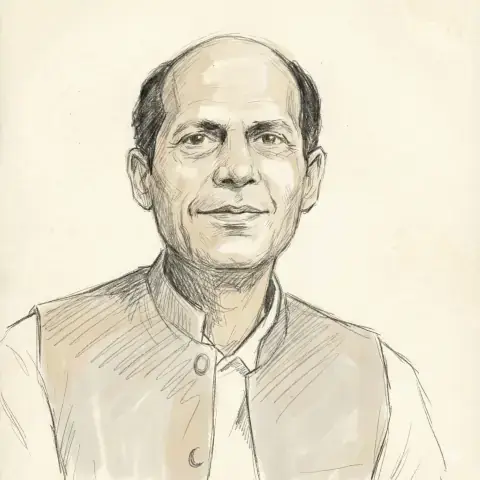
“These parties are the most effective safeguard against the religious lobby’s anti-Western agenda and still present the most credible alternatives to authoritarian rule”, says Samina Ahmed, Crisis Group’s South Asia project director. “But the parties themselves must step up and make changes to ensure their own survival”.
“The parties need to promote internal discipline and accountability, better organise their grassroots base and allow more party workers, especially women and young people, to play meaningful roles in the decision making process.”
In addition to halting its pressure tactics on mainstream political parties, she said, the military government should appoint an independent federal Election Commission, refine liberal party finance laws, lift the ban on student unions and allow parties to establish their own requirements for election of their leaders.
Countries like the United States, which have tolerated authoritarian behaviour because they seek short-term security cooperation, should press the Musharraf government to hold free and fair elections, insist that it stop unlawful arrests and detention of opposition leaders, and be prepared to cut aid if it does not.
“The international community should make clear that its support, which has bolstered Musharraf’s claim to legitimacy, will quickly evaporate unless he shows he is serious about taking steps towards democratic reforms”, said Robert Templer, director of Crisis Group’s Asia Programme.