ISLAMABAD: The Senate’s Special Committee on the China-Pakistan Economic Corridor (CPEC) noted on Monday that projects and development plans for the corridor hadn’t been shared fully and mistrust was present between the stakeholders.
The committee’s members expressed lack of knowledge regarding the ‘Western Route’ and demanded to know its current status. They were informed that National Highway Authority (NHA) was working on the alignment of route.
“Nobody is trying to deny the importance of the Western Route,” said the Chairman of NHA Shahid Ashraf Tarar, adding that the Hasan Abdal — D.I. Khan alignment had already been decided by the prime minister.
His reply invited another query from Senator Daud Khan Achakzai about “the development activities on the ground, and not just on paper.”
“What we hear is the establishment of another committee each time, but tell us about the inauguration schedule so that the work may start,” he said, adding that even the villagers, were aware of what was happening on their land. The committee chaired by Senator Taj Haider opposed the inclusion of the Orange Line, a transport network for Lahore, in CPEC.
Senator Usman Saifullah Khan expressed concern over the Western Route and said that it was unfair to bypass the entire province of Khyber Pakhtunkhwa (KP).
Senator Khan added that a motorway existed between Peshawar and Hasan Abdal, while the national highway N-55 already connected Peshawar with D.I. Khan. He suggested that instead of acquiring new land, the government should declare this route as part of CPEC.
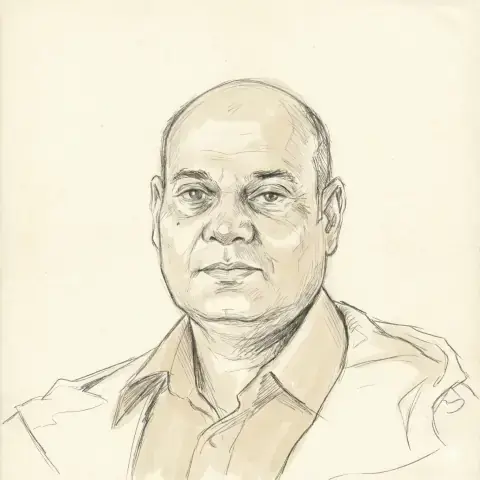
The committee was also briefed by economist Dr Kaiser Bengali, who was invited as a special guest. He claimed that he had obtained more information from the Chinese authorities than what the Pakistanis were willing to share.
Dr Bengali said that CPEC would improve the national economy, as it happened after building the Mangla and Tarbela dams, but he added that all projects were not part of CPEC.
He added that the Eastern Route was already too crowded, while the auxiliary routes should feed the main CPEC route.
“The best way to benefit from CPEC is to develop new areas and new cities, which will eventually bring growth and progress to the underdeveloped areas as well,” said Dr Bengali.
He added that there were a number of queries regarding CPEC such as the share in the income from Gwadar Port and the expected flow of traffic on the auxiliary routes that would supply goods to the CPEC.
“There are no details available over the feasibility study — if any over the role of railways in CPEC,” he said.
Senator Taj Haider lauded Prime Minister Nawaz Sharif for clarifying some of the queries earlier raised by the senators, observing that there was a need for constant and regular monitoring of the announcements made by the premier.
The committee was told that the allocation of industries along the CPEC routes will be done in consultation with the provinces.
“However, we have asked the authorities to provide details of the plans for the Western Route,” said Senator Haider. “This plan should include industrial development, the actual Western route itself and the timetable for its completion. We will forward all the queries to the authorities for a written reply.”
Senator Kamil Ali Agha said that the prime minister had cleared all the ambiguities over the CPEC projects, but the government departments were not competent enough to provide details to the public or parliamentarians.
Published in Dawn, January 19th, 2016