China's country-level police will be able to censor internet coverage of natural and man-made disasters, according to a revised draft of the country's policing law that the Chinese Public Security Bureau released late on Thursday.
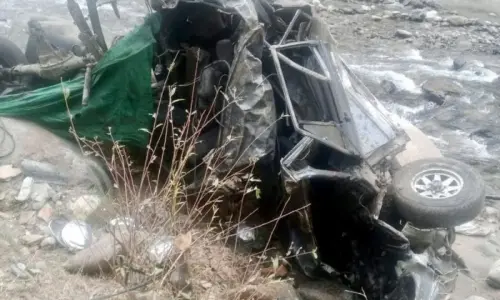
China reports a high rate of accidents and natural disasters every year due its vast geography and its relatively low public safety and building standards.
The government has pledged to improve the country's poor safety record.
Incidents are often met with an outpouring of public grief and anger that the authorities seek to contain using internet controls and state-media coverage focusing on successful relief work.
The provisional adjustment to China's policing law, posted on the security bureau's website, would grant county-level police new powers when dealing with disasters in their jurisdiction.
“When necessary”, local police will be allowed to “implement internet controls” if approved by a province-level public security bureau, the draft said.
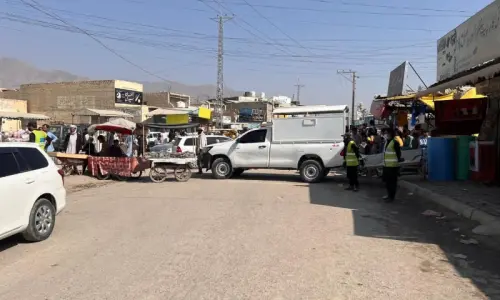
Local police will also be able to cordon off disaster areas, and limit or block individuals or vehicles from entry into a certain area in the name of safety.
The draft law is in its public consultation phase, with suggestions accepted up until the end of 2016, a notice on the bureau's website said.
It did not give a time frame for the revised law's implementation.
Local police have in practice always been able to block access to disaster areas and could negotiate with websites and censorship authorities to guide discussion.
But the new law, if enacted, would see this practice formalised and ratified by the central government. Incidents that range from chemical explosions to factory fires to mine cave-ins mar China's three decades of rapid growth.
Two weeks ago, a collapsing crane at a power plant in eastern China's Jiangxi province killed 74 people.
After chemical blasts in the port city of Tianjin on Aug 12 last year killed more than 170, President Xi Jinping said authorities would learn the lessons paid for with blood.