THE sentiment was the right one as were the ideas explored. Investment in the energy sector, allowing academics and students easy movement across the border, and anything that helps nudge the moribund India-Pakistan relationship forward should be welcomed. Indeed, Chief Minister Shahbaz Sharif had been visiting Indian Punjab even before the current PML-N government was elected at the centre. Chaudhry Pervaiz Elahi, too, in his days as chief minister, found enough common ground on the other side of the fence to drop by. As the generation that experienced the atrocities witnessed at Partition fades away, there is a feeling that the commonalities of language and culture will in time blur the troubled history of Punjab, and give way to greater interaction and opportunities that businessmen and others are already eying. What is becoming problematic, though, is that little is being done to build on the ties that already exist between the two Punjabs — just as Islamabad and Delhi demur from actively taking the peace process between India and Pakistan forward.
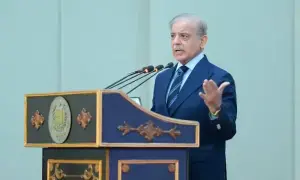
Sending his closest confidante with messages of goodwill across the border might reflect the prime minister’s good intentions. It may also be a matter of great convenience that his younger brother is eager and willing to take on more responsibilities, despite already running a province which is beset by many problems. But by relying on only a very small group of advisers that includes family members, the prime minister is doing little to institutionalise the peace process. Personalities, not issues, are inevitably in focus when the prime minister sends personal emissaries. The fanfare generated by each of these ‘resumptions’ must be followed by a widening of the dialogue for these ceremonies to be meaningful.
There are three other provinces in the country, each of which have regional preferences and interests and each of which is run by a government headed by a different political party. If Shahbaz Sharif wants to moot people-to-people contact with his counterpart in Indian Punjab, then what is to stop the PTI government in KP talking to Kabul about border affairs, the National Party-led government in Balochistan talking independently to Iran or the PPP in Sindh reactivating old ties with Rajasthan? Also problematic is the message that Shahbaz Sharif’s diplomacy will send to the other provinces: the PML-N remains concerned first and foremost with the fortunes of Punjab. Only if Shahbaz Sharif’s visit to Indian Punjab leads to the active revival of the peace process between the two countries will it be seen as a move by Islamabad to improve ties with Delhi. Otherwise it comes across as an exercise in PR.