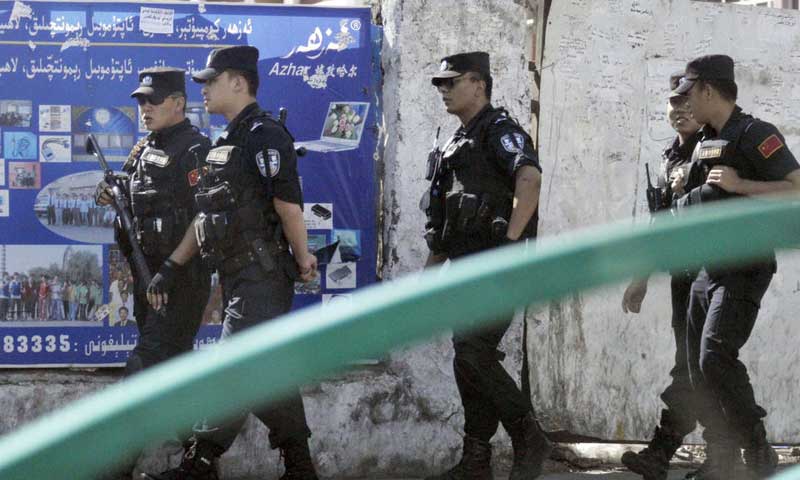
BEIJING: Islamists in China's far western region of Xinjiang are seeking to ban television, singing and other forms of entertainment, a newspaper said on Friday, adding that “religious extremism” was a disaster facing the area.
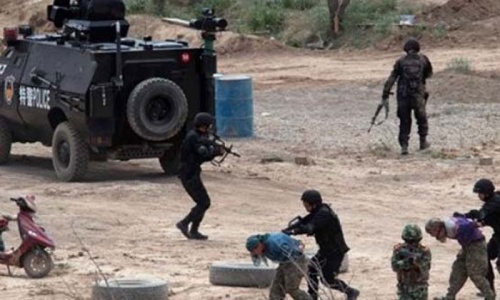
China has stepped up its rhetoric against what it says is a threat the country faces from Islamist militants since an incident last month in which a vehicle ploughed into tourists on the edge of Beijing's Tiananmen Square, killing the three peoplein the car and two bystanders.
China called the crash an attack carried out by people plotting holy war, and has reacted angrily to suggestions that it was because of frustration and anger over government repression of the region's Muslims.
In a front-page piece in the official Xinjiang Daily, Yusufujiang Maimaiti, the head of the region's employment bureau, said “forces” were furthering their “evil aims” by seeking to foist extremist beliefs on the region's Muslims.
“Religious extremist forces ... don't allow people to sing or dance, they incite them to disobey the government, to not use marriage certificates and I.D. cards. They prevent them from watching television, films, and listening to the teachings of patriotic religious leaders,” he wrote.
He did not identify the extremists but said they were”distorting and falsifying” religious doctrine with a creed of opposing anyone who was different from them culturally or religiously.
“Religious extremism is the biggest disaster facing the development and long-term peace and stability of Xinjiang,” he added. “Our battle against extremism is undeniable and unavoidable.” Many of Xinjiang's Turkic-speaking, Muslim people chafe at restrictions on their culture, language and religion, though the government insists it grants them broad freedoms.
Xinjiang has been the scene of numerous incidents of unrestin recent years, which Beijing blames on the separatist East Turkestan Islamic Movement, even as many experts and rights groups cast doubt on its existence as a cohesive group.
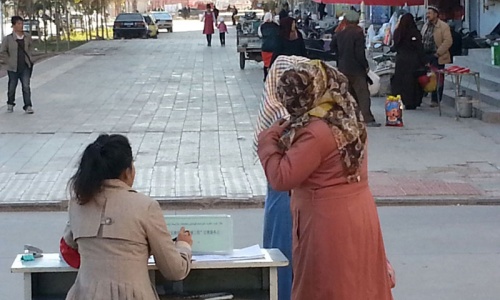
Uighurs have traditionally followed a moderate form of Islam, but many have begun adopting practices more commonly seen in Saudi Arabia or Pakistan, such as full-face veils for women,as China has intensified a security crackdown in recent years.
“(The extremists) are inciting people to reject modern and traditional dress, and constantly changing tactics to compel the people with their extremist thoughts,” said Maimaiti.
Many rights groups say China has long overplayed the threat posed though to justify its tough controls in Xinjiang, which lies strategically on the borders of Central Asia, India and Pakistan.