0
0

DEARBORN (Michigan): Discrimination and harassment by US law-enforcement agencies have come to plague American Muslims in the years since the terrorist attacks of September 11.
There have been suspicious looks, slurs, physical attacks, extra screening at airports and arrests on groundless charges.
And it seems to be getting worse.
A recent Gallup poll showed that 39 per cent of Americans admit to being prejudiced against Muslims and that nearly a quarter say they would not want a Muslim for a neighbour.
“Most Americans don’t know Muslims except for those they work with in an urban environment so all the information they get is through the media,” said Dawud Walid, Director of the Michigan chapter of the Council on American Islamic Relations (CAIR).
After having shown some restraint in his rhetoric after 19 Muslim men affiliated with Al Qaeda flew planes into the World Trade Center and the Pentagon, President George W. Bush has of late been using far more inflammatory language such as “Islamofacists,” Walid said.
“When the religious and political leaders use polarizing language these are the unfortunate side effects. It stretches from the likes of (Christian Coalition leader) Pat Robinson all the way up to President Bush.”
CAIR has seen a steady increase in the number of complaints of harassment, violence and discriminatory treatment over the past five years. In 2004, complaints rose 49 per cent to 1,522, of which 141 were reports of actual and potentially violent hate crimes.
It appears that those numbers will continue to rise in 2005 and 2006, Walid said.
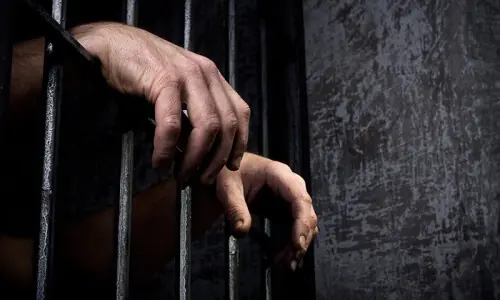
Osama Abulhassan, 20, registered one after he spent a week in jail on terrorism charges last month. He was arrested for buying pre-paid cell phones in a small town in the midwestern state of Ohio with his friend Ali Houssaiky. Both were born in the United States to Lebanese immigrants.
“I couldn’t believe they would charge us for something like that,” he said over a Halal chicken sandwich. “For a week straight we were asking what are we doing here and realizing it could happen to anybody.”
Dressed in an Air Jordan T-shirt and Puma baseball cap, Abulhassan looks like any other college student. But his name has evoked gasps when he is called onto the basketball court for a game and he has grown used to suspicious looks as he walks down the street.
He never expected to be sitting in a jail cell and seeing his mug shot on the national news interspersed with images of bombings in Iraq.
“This didn’t need to happen. It was all very unwarranted,” he said of the charges that were eventually dropped.
“We’re still proud to be Americans and of our heritage, but you experience something like that it’s going to change the way you see things,” he explained. “It makes us feel, not hatred... I’ve lost confidence in the justice system in general and the way things are done here.”
—AFP